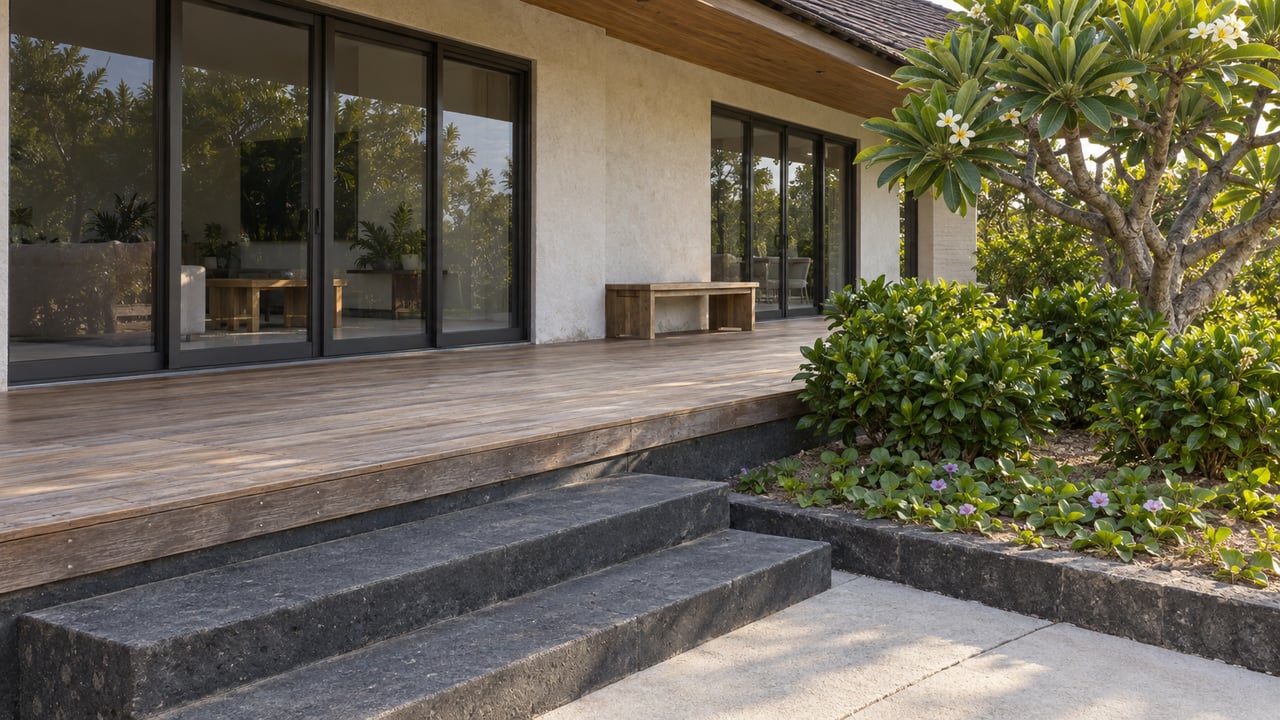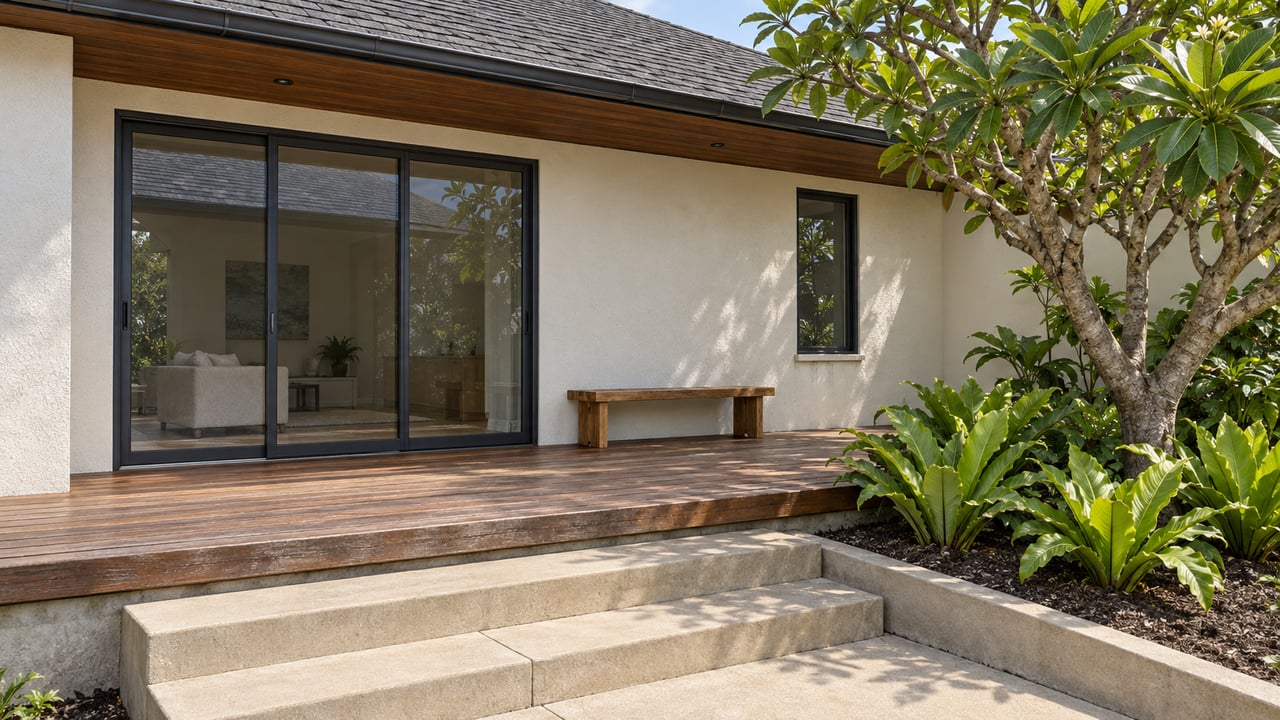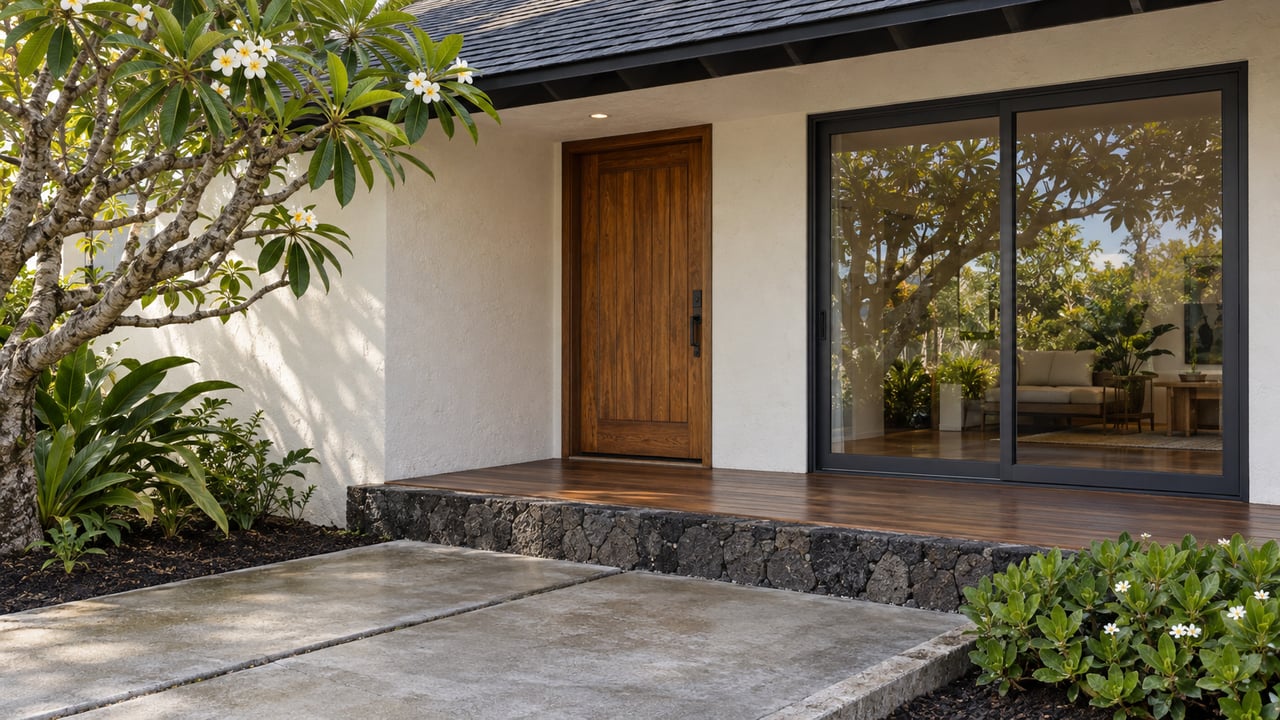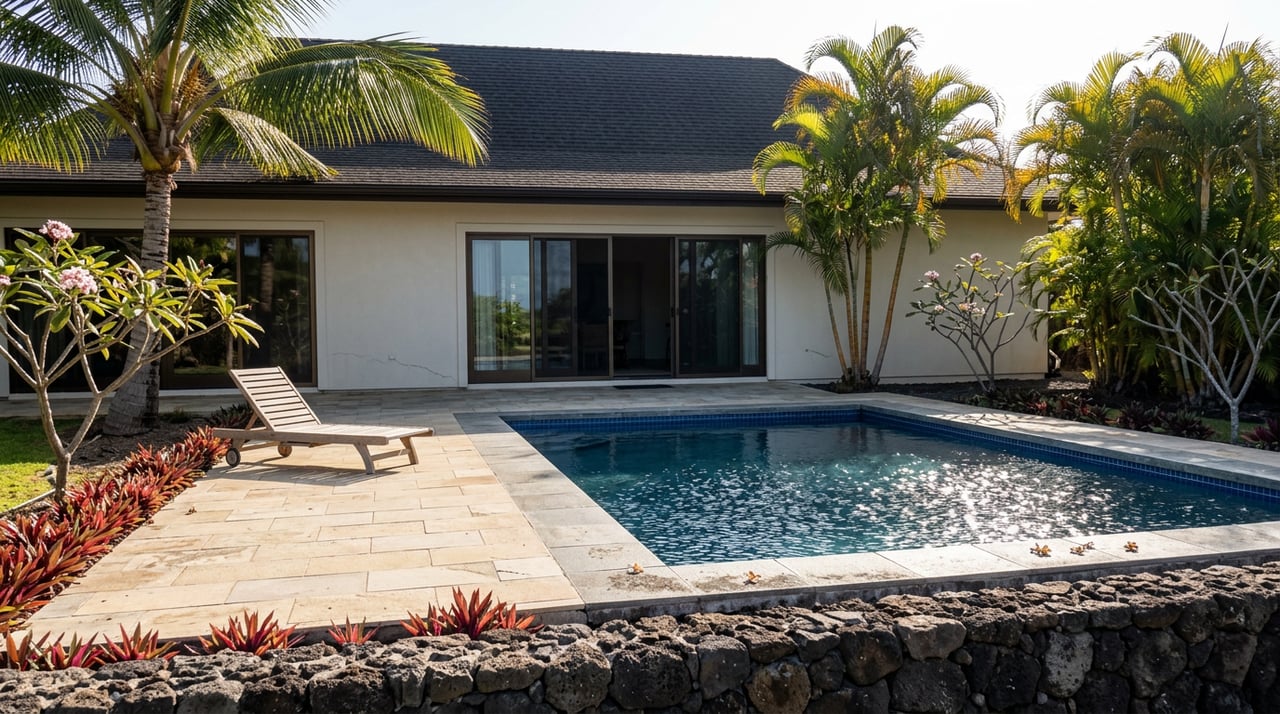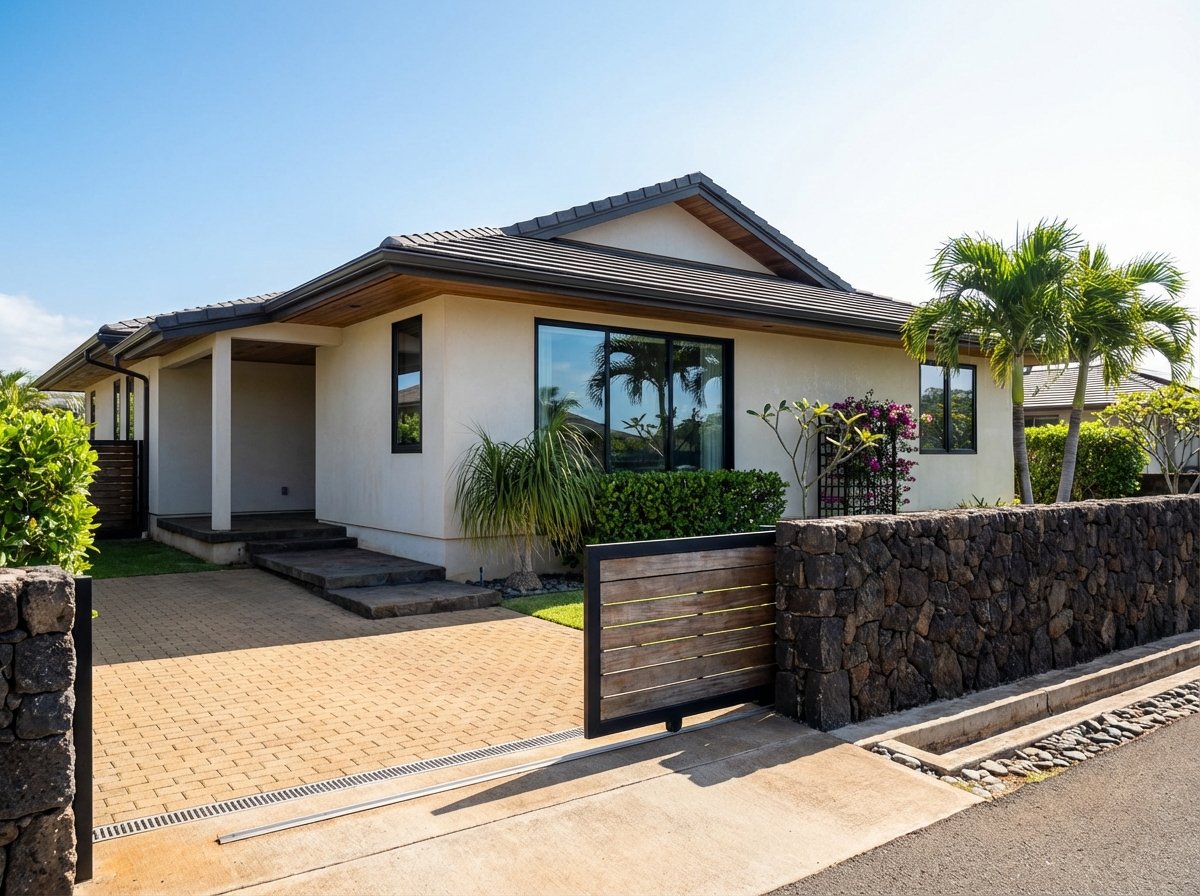
Picture your morning starting with a walk to Mana Foods, surfboards on car roofs rolling down Hana Highway, and trade winds carrying the scent of plumeria. If Paia or Kuau has been calling your name, you are not alone. The North Shore draws people who value walkable town life, wind and water sports, and a laid‑back rhythm. In this guide, you will learn what homes cost, where risk and regulation matter, how long the process takes, and the due diligence that protects your investment. Let’s dive in.
Market snapshot: what you will find
Home types on the North Shore
On Maui’s North Shore, you will see classic plantation‑style cottages in Paia, oceanfront and beachfront estates in Spreckelsville and along Stable Road, small ocean‑adjacent cottages and duplexes in Kuau, and a limited number of low‑rise condos like Kuau Plaza. Inventory is small and segmented, and true shoreline properties are rare. Most single‑family properties are fee simple, but you should always confirm land tenure on each parcel. If you are considering a condo, review HOA rules, reserves, and planned projects, because island maintenance exposures are higher than on the mainland.
What homes cost in Paia
Prices vary by proximity to the ocean, lot size, and condition. Recent 2024–2025 trackers show typical Paia single‑family medians in the roughly 1.1 million to 1.6 million range. Oceanfront or true beachfront properties in Paia, Kuau, and Spreckelsville usually command multi‑million prices, with substantial premiums for direct shoreline lots. For condos, permitted one‑bedroom units at Kuau Plaza have traded in the high six to low seven figures, with several sales in the 700,000 to 900,000 range. Use multiple data points and a recent MLS snapshot when you are ready to evaluate a specific micro‑neighborhood.
Location and lifestyle: day‑to‑day living
Kahului and the airport are typically a 10 to 20 minute drive from Paia, and Wailuku is often 10 to 25 minutes depending on traffic and exact starting point. West Maui is generally a much longer drive. The island has a few pinch points, so test your likely commute during peak hours. Public transit is available in a limited way, but most residents rely on a car.
Downtown Paia is compact and walkable, with groceries, restaurants, and shops close together. Parking can be limited in the core of town. The area is a global hub for wind and water sports at spots like Ho‘okipa and Kuau, so expect wind, salt, and the sound of surf as part of the lifestyle.
Hazards and rules that shape value
Flood zones and county rules
Maui County relies on FEMA Flood Insurance Rate Maps and has its own flood‑hazard rules. Before you offer, check the County’s Flood Hazard Zone resources and map tools. Start with the County page on flood regulation to understand how Special Flood Hazard Areas are handled. You can review FEMA’s official panels at the Flood Map Service Center and request a county zoning and flood confirmation during escrow.
- Explore Maui County’s flood guidance: Maui County Flood Hazard Zones
- Pull the official FEMA panel: FEMA Flood Map Service Center
Shoreline erosion and sea‑level rise
Low‑lying sandy reaches on the North Shore are exposed to erosion and future inundation scenarios. Use the NOAA Sea Level Rise Viewer to visualize potential impacts on a specific shoreline. Hawaii’s coastal policy in HRS Chapter 205A generally discourages new shoreline hardening, and repairs to existing seawalls or revetments can be limited. If a listing mentions a seawall, verify permits, maintenance responsibilities, and any history of enforcement actions before you proceed.
- Visualize future scenarios: NOAA Sea Level Rise Viewer
- Understand shoreline policy: Hawaii HRS Chapter 205A coastal policy
Tsunami, storm waves, and hurricane risk
Hawaii sits in the Central Pacific hurricane climatology area, with seasonal peaks in late summer and fall. North‑facing coasts can experience powerful winter swells and storm waves that affect near‑shore properties. Review local evacuation maps and routes and verify siren locations if you are considering a coastal home. For context on seasonal storm patterns, see the National Hurricane Center’s climate page.
- Storm and hurricane climatology: NHC climate overview
Cesspools and wastewater rules
Under Hawaii law, most cesspools must be converted by 2050. The Department of Health maintains priority areas where earlier action is encouraged or required, along with pilot grant programs that may offset costs for eligible homeowners. On the North Shore and Upcountry, many older lots were built with cesspools or septic systems. Confirm the property’s wastewater setup, whether sewer is available, and if your parcel lies in a DOH priority area.
- Check priority areas and grants: Hawaii DOH Cesspool Program
Insurance market realities
After recent catastrophic events, including the 2023 Lahaina wildfires, Hawaii’s insurance market has been under pressure. Insurers may set higher wind or hurricane deductibles, require inspections, or limit policies in some segments. Older condos can see impacts to master policy costs and coverage. Get quotes early in your search, including details on hurricane and wildfire coverage and percentage deductibles, because insurance can materially change your monthly costs.
- Market context and why quotes matter: Hawaii insurance landscape update
Termites and coastal maintenance
Formosan and other termite species are present on Maui and can cause rapid structural damage. A licensed termite inspection is a standard due‑diligence item here. Salt air also accelerates corrosion on metalwork, roofing, and HVAC, which can affect long‑term budgets for ocean‑adjacent properties.
- Termite awareness and protection tips: Maui Now termite overview
Infrastructure, utilities, and ownership checks
Water, sewer, and energy
Water service varies by area. Some Central Maui systems draw from county treatment facilities, while parts of Haiku and Upcountry may be served by wells or surface systems. Do not assume a property is connected to county sewer just because it is near town. Many Paia and Kuau parcels are on sewer, but some use septic or still have cesspools. Confirm meter status and hookups with the County’s mapping tools and the Department of Environmental Management. Maui’s grid is electric only, and rooftop solar plus battery storage is common. If you are looking at a condo or a property with an HOA, confirm PV and equipment rules in writing.
- Parcel research tool for utilities and zoning: Maui County MAPPS
Zoning, permits, and short‑term rentals
If you plan to rent, verify zoning and whether short‑term rental permits exist or are allowed in that area. Maui County publishes short‑term rental resources and maintains permit listings. Policies evolve, and some apartment‑zoned vacation rentals are under review, so confirm current status and any grandfathered use with the County and your agent.
- County rules and permit resources: Maui County Short‑Term Rentals
Title, easements, and shoreline permits
Confirm fee simple versus leasehold, easements for access or utilities, and any shoreline or Special Management Area permits on file. Your title search and the County MAPPS viewer help surface key documents and constraints. If a structure is close to the shoreline, expect additional permit history to review.
- Start parcel due diligence here: Maui County MAPPS
What your timeline might look like
Every deal is unique, but here is a common pattern for Paia and the North Shore:
- Closing window is often 30 to 60 days from contract to close. Cash can shorten that, while financing or remote logistics can extend it. Source patterns are based on typical Hawaii transactions.
- Inspection and due‑diligence windows are commonly 7 to 15 days in many Hawaii offers. Remote buyers should consider negotiating more time for specialized reports, recognizing that competitive listings may not allow long holds.
- If you are financing a second home or vacation property, plan for larger down payments, often 20 to 30 percent or more, depending on the lender and property type. Schedule inspectors, engineers, and insurance quotes right away.
For general context on island timelines and financing expectations, see practical Hawaii real estate guides from independent sources.
- Typical Hawaii closing timelines and considerations: Hawaii investment and closing guide
- Common inspection windows in Hawaii offers: Hawaii inspection period overview
Due diligence checklist for Paia buyers
Use this checklist to structure your offer and inspection period. Items marked with a link point you to the relevant tool or rule.
- Flood and elevation: Pull the FEMA FIRM panel and request a County flood confirmation. If the parcel sits in a Special Flood Hazard Area, ask your surveyor for an elevation certificate. FEMA Flood Map Service Center and Maui County Flood Hazard Zones
- Shoreline and erosion: For oceanfront or near‑shore parcels, order a shoreline certification search, have a coastal engineer assess erosion, and verify any existing seawall or revetment permits. Review Hawaii coastal policy in HRS Chapter 205A.
- Wastewater: Confirm whether the property uses county sewer, septic, or a cesspool, and whether it lies in a DOH priority area. If a cesspool exists, check conversion timing, likely costs, and grant eligibility. Hawaii DOH Cesspool Program
- Termites and moisture: Schedule a licensed termite inspection and request a treatment estimate or bond if needed. Consider a moisture and mold assessment for older structures. Maui Now termite overview
- Insurance: Obtain homeowner and wind/hurricane quotes early, including deductible percentages and wildfire coverage terms. For condos, review the master policy. Hawaii insurance landscape update
- Title, TMK, easements, and permits: Confirm fee simple tenure, recorded easements, SMA or shoreline permits, and any CCRs or condo documents. Use Maui County MAPPS and a title report.
- Zoning and rentals: Verify zoning and whether short‑term rentals are permitted, permitted with conditions, or prohibited. Confirm any existing permit is valid. Maui County Short‑Term Rentals
- Utilities and connectivity: Confirm water meter size, sewer connection or private system, overhead vs underground utilities, and available internet providers. Maui County MAPPS
- Community and commutes: Test‑drive to Kahului and Wailuku at peak hours, and visit the property at different times of day to gauge wind, surf noise, and parking.
Costs to plan for
Ocean‑adjacent properties often carry higher ongoing maintenance due to salt exposure and wind. Insurance premiums and deductibles can also be higher for coastal or fire‑exposed zones. If a property requires conversion from a cesspool to a septic system or sewer, budget in the mid tens of thousands, roughly 20,000 to 50,000 or more depending on site conditions. Always request recent utility bills, HOA financials, and contractor estimates for any identified repairs.
- Cesspool conversion cost context: Hawaii conversion overview
Weighing North Shore vs elsewhere on Maui
- Oceanfront Paia and Spreckelsville: You get a unique wind and surf culture and iconic beaches, with a premium on purchase price and typically higher insurance and maintenance. Shoreline work is tightly regulated, so expect careful permitting.
- Haiku, Makawao, and Pukalani: Larger lots and cooler air with less direct sea exposure. Commutes to beaches and the airport are longer, and some areas have agricultural zoning that shapes what you can build and how you use the land.
- Central Maui, Kahului and Wailuku: Shorter drives to services, more inventory, and often lower price per square foot compared with prime North Shore locations. You trade some of the North Shore vibe for convenience.
How we help you buy with confidence
Buying on the North Shore is about matching lifestyle with smart due diligence. You deserve local guidance that balances place, legacy, and price. We coordinate inspectors and engineers, verify shoreline and flood details, and help you secure insurance quotes early so costs are clear. For remote buyers, we offer efficient digital workflows and on‑island previews so you can move with confidence.
If Paia, Kuau, or Spreckelsville feels like home, reach out. Connect with Kate and Wendy Peterson to discuss your goals and schedule a showing.
FAQs
What should I budget for a typical Paia single‑family home?
- Recent 2024–2025 trackers show typical medians in the 1.1 million to 1.6 million range, with condition, lot size, and proximity to the ocean driving variation.
How risky is oceanfront ownership on Maui’s North Shore?
- Oceanfront comes with higher maintenance, insurance considerations, and regulatory limits on shoreline hardening; use the NOAA Sea Level Rise Viewer and verify permits under HRS 205A.
How long does a North Shore purchase usually take to close?
- Many Hawaii transactions close in 30 to 60 days, with 7 to 15 days for inspections; cash buyers may close faster while financed or remote deals may need more time.
Do Paia and Kuau homes connect to county sewer?
- Many do, but not all; some parcels still use septic or cesspools, so confirm connection status and any conversion requirements with Maui County MAPPS.
What insurance issues should I expect when buying near the coast?
- Expect wind or hurricane deductibles, possible inspections, and variable premiums; get quotes early and review wildfire and storm coverage details using this Hawaii insurance update.
Are short‑term rentals allowed in Paia?
- Rules depend on zoning and permits; verify current policy and any existing permits at Maui County Short‑Term Rentals.