If your likely buyer lives a plane ride away, your listing has to do more than look pretty. It has to answer real questions, build trust fast, and help someone picture daily life in your Paia or Maui North Shore home before they ever step onto the property. That is especially important in a market where many buyers start online and rely heavily on visuals and detailed property information. In this guide, you’ll learn how to position your home for mainland buyers with a selling strategy that is lifestyle-driven, digital-first, and grounded in the realities of North Shore ownership. Let’s dive in.
Why mainland buyers need a different approach
Mainland buyers often begin their search from a distance, which changes how they evaluate a home. According to the National Association of Realtors 2025 buyer report, 51% of buyers found the home they purchased on the internet, and buyers rated photos, detailed property information, floor plans, virtual tours, and videos as highly useful.
That means your first showing is usually digital. Before a buyer books a flight, they want to understand the layout, condition, outdoor living, parking, views, and access. If your listing leaves too much to the imagination, you risk losing interest early.
Start with a strong digital presentation
For a Paia or North Shore home, strong marketing media is not optional. It is one of the clearest ways to help a remote buyer feel confident enough to take the next step.
Use visuals that answer questions
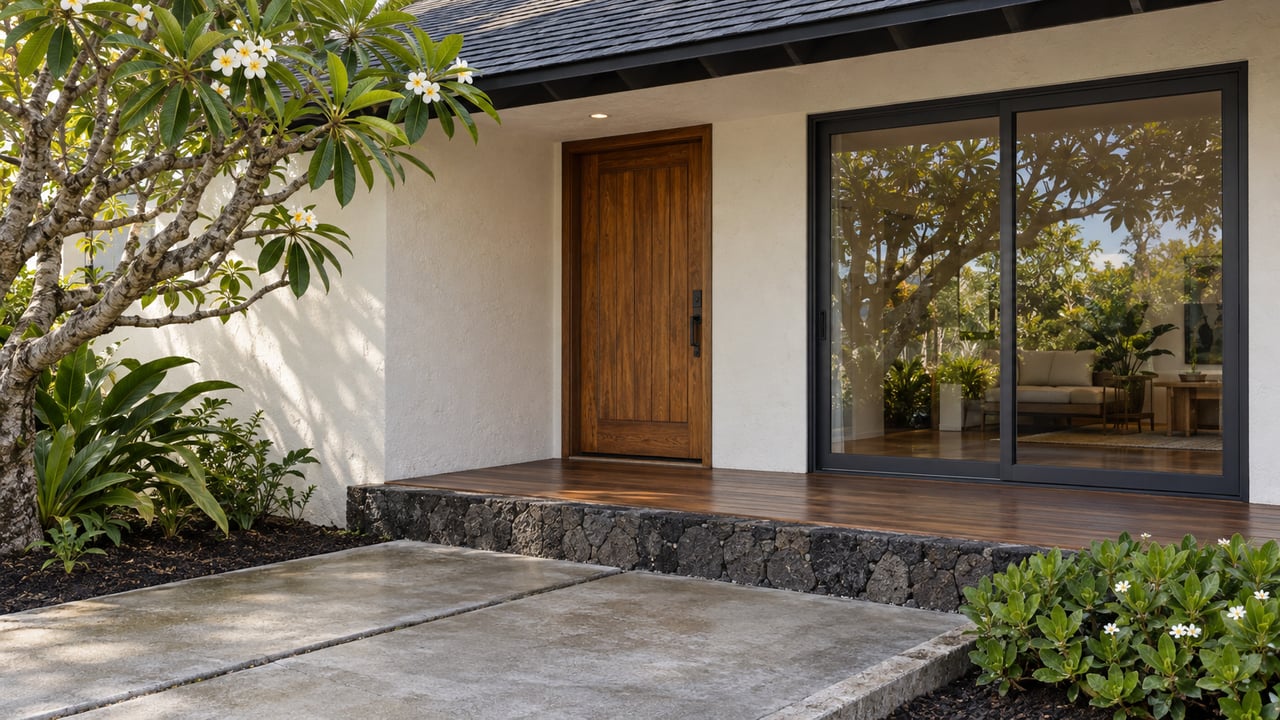
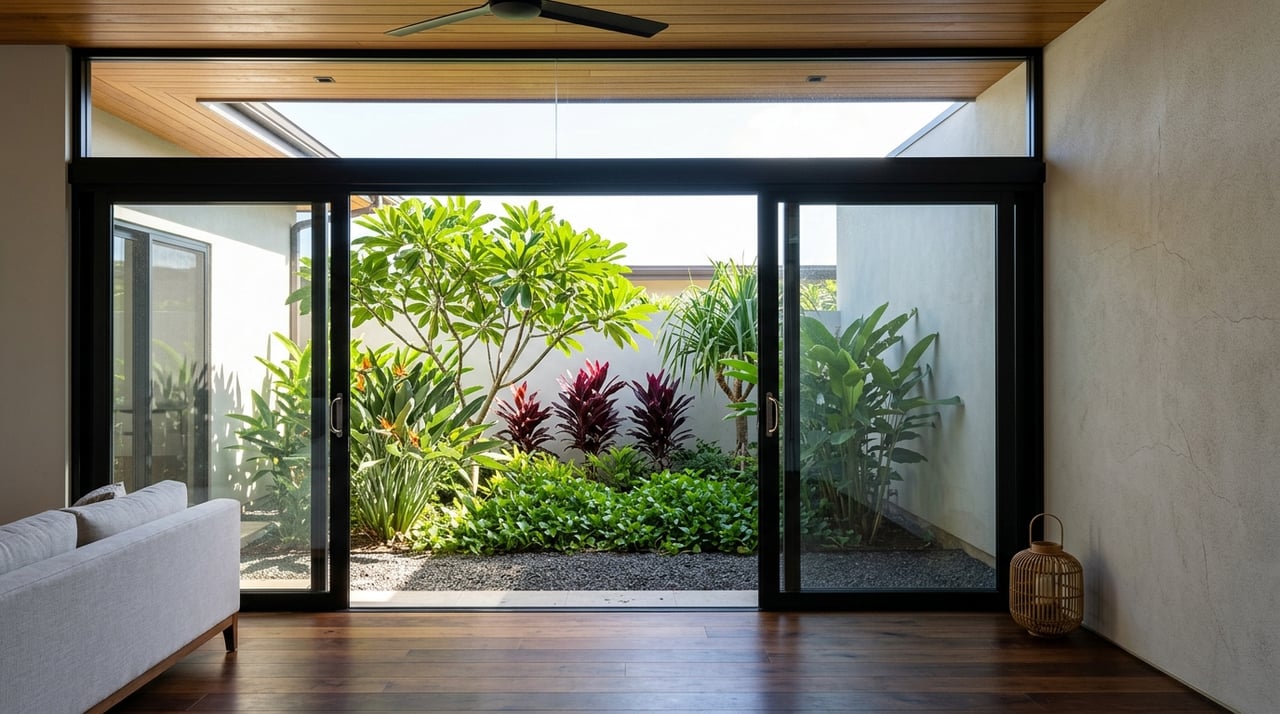
Professional photography should show more than attractive angles. Buyers want to see how the home actually lives, including room flow, natural light, outdoor connections, and the relationship between the house and the setting.
A complete media package can include:
- Professional still photography
- Drone images that show site context
- A clear floor plan
- A guided video tour or 3D tour
NAR data supports this approach directly, with buyers placing high value on photos, detailed information, floor plans, and virtual tours.
Show how indoor and outdoor spaces connect
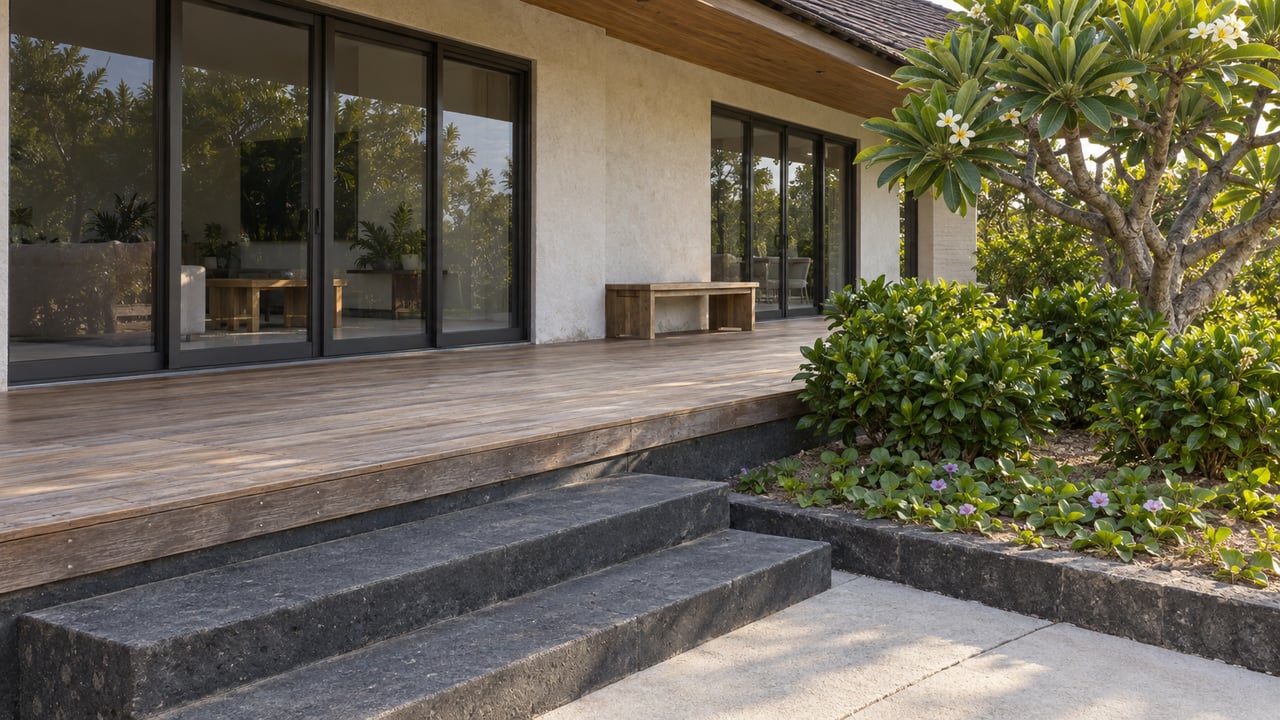
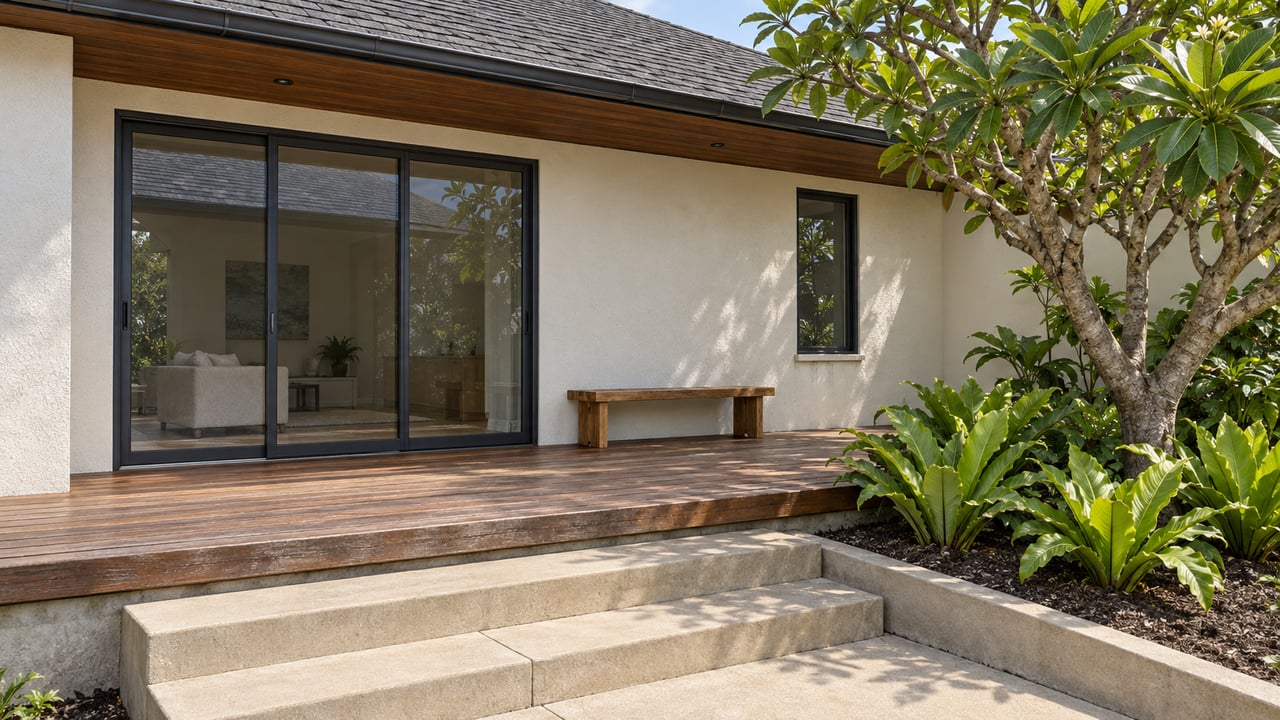
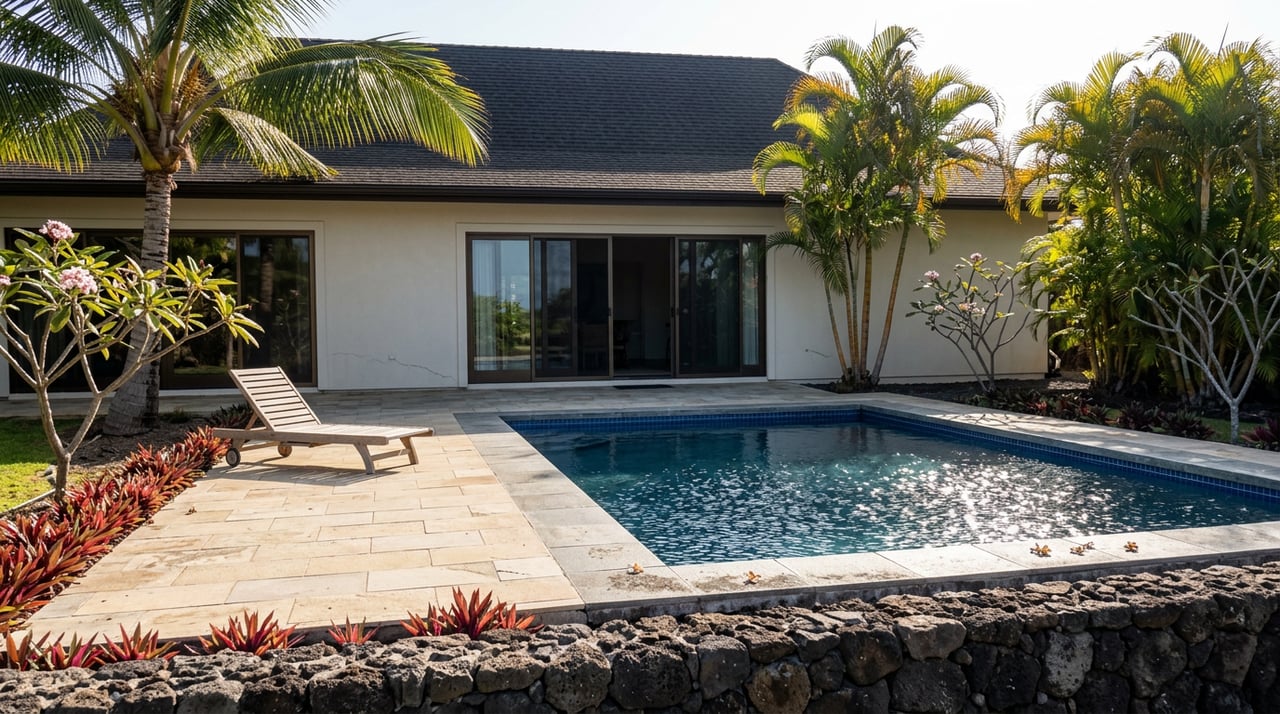
On the Maui North Shore, outdoor living is often a major part of the property experience. Your marketing should make it easy for buyers to understand lanais, decks, yard areas, and how the home functions in a breezy, ocean-influenced setting.
This is where thoughtful staging matters. Clean, simple presentation helps buyers focus on usable space, especially when they are trying to understand the property through a screen.
Write listing copy that is specific
Generic phrases do not help remote buyers make decisions. Calling a home “charming” or “one of a kind” says very little unless you explain what that means in practical terms.
Instead, your listing should describe details that matter to someone evaluating the home from the mainland.
Highlight the facts buyers care about most
For a Paia or North Shore listing, clear details may include:
- Parking capacity and ease of access
- Storage for boards, bikes, or beach gear
- Whether outdoor space is private, open, or exposed
- What the view actually includes
- How the floor plan supports guests or flexible use
- The relationship to town, beach, or airport routes
- Wind exposure and maintenance realities
This kind of detail helps buyers move from curiosity to confidence. It also reflects how today’s buyers search, especially when they are comparing homes remotely.
Lead with your home’s most compelling features
In a high-price Maui market, buyers often respond strongly to features that feel hard to replace. Countywide pricing remains elevated, with Maui County single-family median sales prices at $1,445,000 in January 2026 and $1,250,000 in February 2026.
That does not describe Paia specifically, but it does show the broader market context. At this price point, buyers are often weighing lifestyle value just as much as bedroom count.
Put premium features up front
If your home offers distinctive benefits, make sure they appear early in the listing and marketing package. Examples can include:
- Generous lanai space
- Ocean or mountain views
- Privacy
- Flexible guest accommodations
- Easy access to Paia Town, the airport, or nearby beaches
These features help remote buyers quickly understand why your property stands out.
Be honest about coastal and North Shore realities
For mainland buyers, trust matters just as much as presentation. A beautiful listing is stronger when it is paired with clear, accurate information about the property’s setting.
In Paia and along the Maui North Shore, that includes coastal exposure, wind, and possible flood or shoreline considerations.
Address flood zones clearly
Maui County explains that high-risk flood zones include Zone A and Zone V areas. The county also notes that development within a special flood hazard area may require a flood development permit, and flood insurance is mandatory for federally backed mortgages in the SFHA.
If your property is affected, plain language is the best approach. Buyers do not expect perfection, but they do expect clarity.
Explain shoreline and erosion factors
Coastal buyers should also understand shoreline considerations. Maui County says that 85% of Maui shorelines experience long-term erosion, and the county’s 2024 shoreline rule update uses a setback framework based on projected erosion with 3.2 feet of sea-level rise.
The county’s Paia-Haiku planning materials also identify Paia among communities vulnerable to sea-level rise and coastal erosion. This makes accurate property positioning especially important for homes in ocean-influenced locations.
Be direct about wind and exposure
North Shore living can be beautiful, but it can also be breezier and more exposed than other parts of Maui. Maui County’s hazard planning identifies high wind as one of the county’s natural hazards.
That does not make a property less appealing. It simply means your listing should help buyers understand how the home performs in its environment, including outdoor comfort, upkeep, and the feel of the setting.
Talk about access without overselling it
Mainland buyers are often trying to picture everyday logistics. In Paia, access is part of that story.
The Hawaii Department of Transportation has identified the Hāna Highway and Baldwin Avenue intersection in Paia as a notable traffic node, and road work notices can affect travel timing on the North Shore. That supports a straightforward conversation about route timing and commute patterns.
Frame access as practical information
You do not need to make the area sound difficult. Instead, give buyers useful context.
Helpful information may include:
- Typical route patterns to Kahului Airport
- Access to Paia Town amenities
- How road timing can vary by time of day
- Whether the property feels tucked away or more connected
This kind of detail helps buyers make informed decisions and reduces surprises later.
Prepare your home for remote decision-making
When buyers are shopping from the mainland, they need a home that feels easy to understand. Preparation should focus on clarity, function, and strong visual storytelling.
Before listing, focus on these steps
- Declutter interior spaces so room sizes read clearly
- Stage lanais, decks, and outdoor areas for everyday use
- Organize storage areas for beach gear or boards
- Make parking areas easy to see and understand
- Repair small issues that may stand out in photos or video
- Create a floor plan that helps buyers grasp layout quickly
These steps align with what buyers consistently say they value online, especially strong visuals and detailed information.
Why agent strategy still matters
Even in a digital-first world, buyers still rely heavily on professional guidance. NAR reports that 88% of buyers purchased through an agent or broker, and 91% of sellers used an agent as well.
That matters when you are selling a Maui North Shore home to mainland buyers. A strong agent strategy can help shape the presentation, answer due diligence questions, and connect your property to buyers through both online exposure and referral relationships.
For international audiences, NAR also found that website and online listings account for a meaningful share of leads among agents working with foreign buyers. In other words, reach still matters, but so does guided follow-through.
A smarter way to position your Paia home
The strongest North Shore listings do two things at once. They capture the feeling of the property, and they give buyers enough practical information to take the next step with confidence.
If you are selling in Paia, that means presenting your home as both a lifestyle opportunity and a property with specific coastal, access, and maintenance realities. When your marketing is polished, accurate, and easy to understand from afar, you give mainland buyers what they need to engage seriously.
If you’re thinking about selling your Maui North Shore home, Kate and Wendy Peterson can help you create a thoughtful, high-quality marketing plan built for today’s remote buyer.
FAQs
What should I do before listing a Paia home for mainland buyers?
- Focus on decluttering, staging indoor and outdoor living areas, and creating strong digital marketing materials like professional photos, a floor plan, and a virtual or video tour.
What information matters most to mainland buyers viewing a Maui North Shore home online?
- Mainland buyers often want clear details about layout, parking, storage, views, outdoor living, access, wind exposure, and overall property condition before planning an in-person visit.
How should I discuss flood zones when selling a home in Paia, Maui?
- Use plain, accurate language and refer buyers to Maui County flood-zone information if the property is in a special flood hazard area or may involve flood insurance or permitting considerations.
Why do virtual tours matter when selling a North Shore Maui home?
- Virtual tours help remote buyers understand how the home flows and functions, which is important because many buyers begin online and may not see the property in person right away.
How can I market a Paia home honestly while still making it appealing?
- Emphasize the home’s lifestyle benefits and unique features while being transparent about access, wind, shoreline considerations, flood-zone status, and maintenance realities tied to the setting.