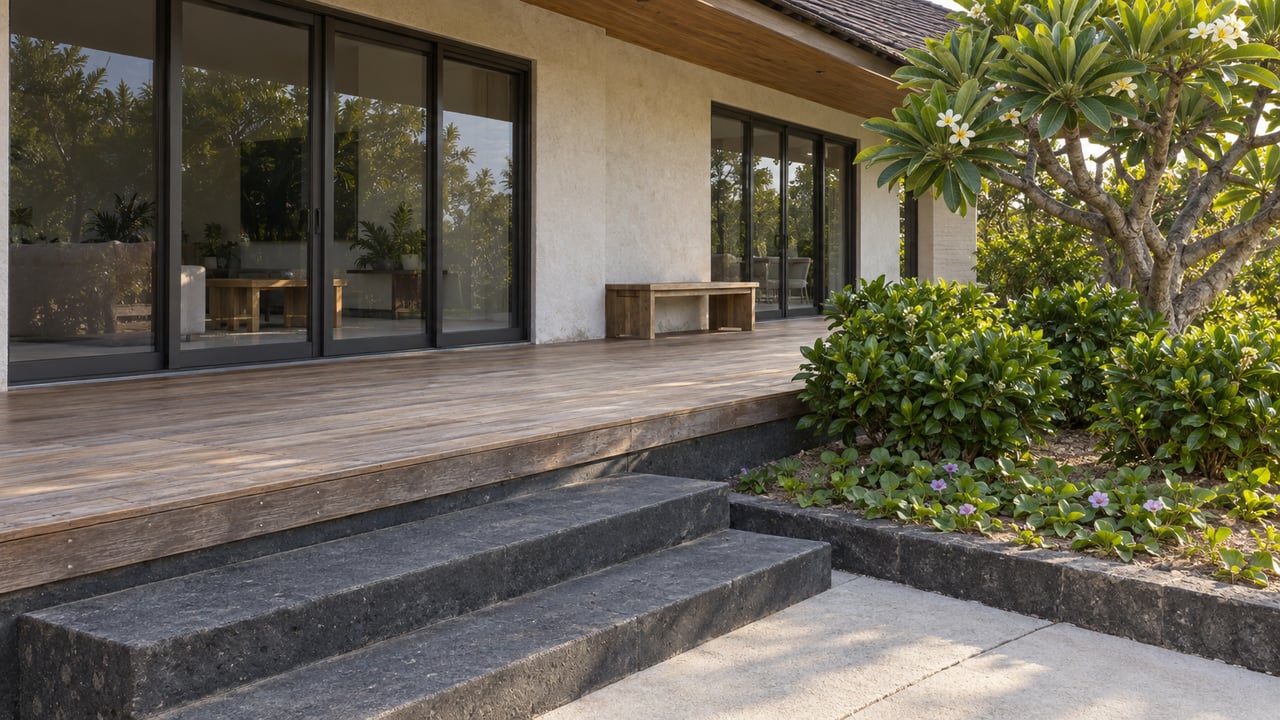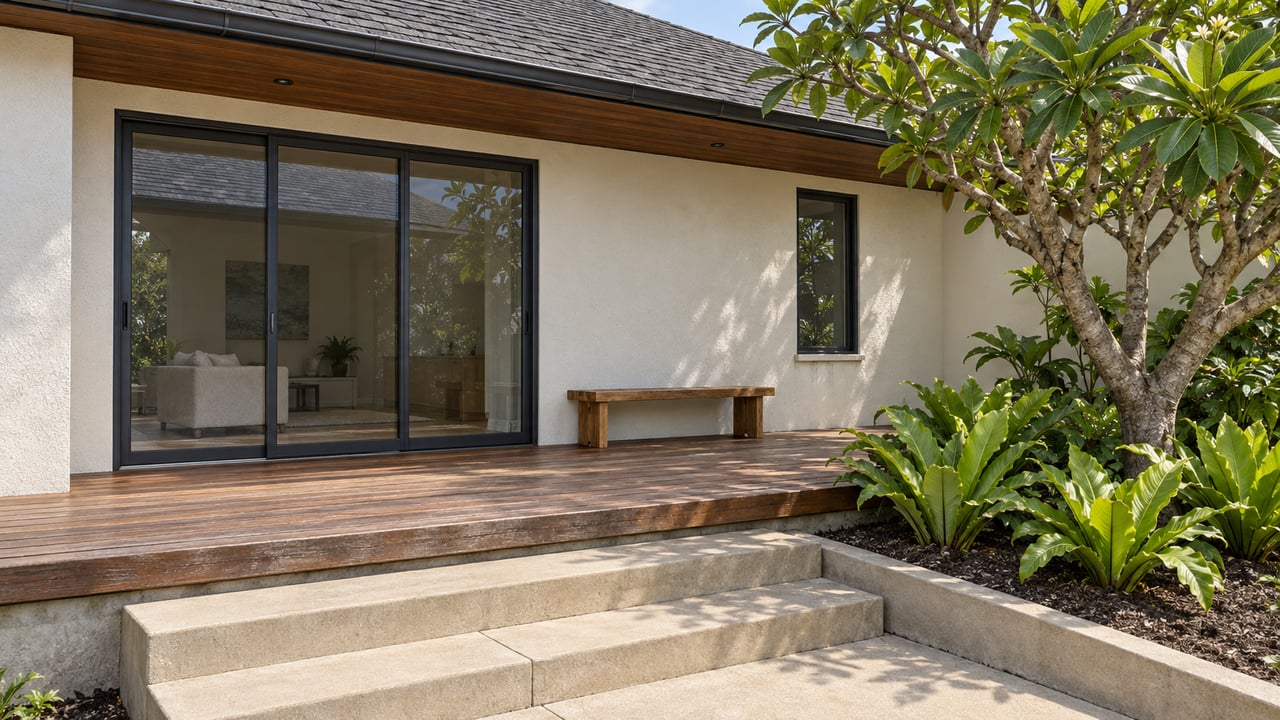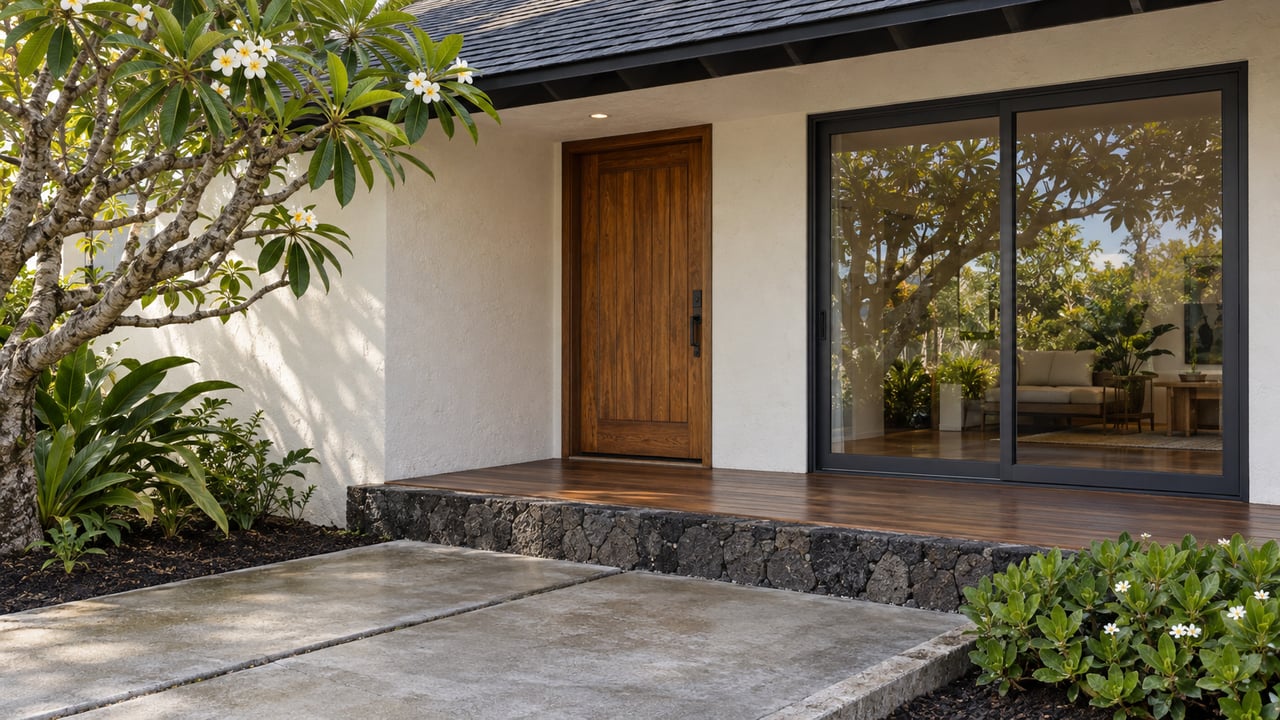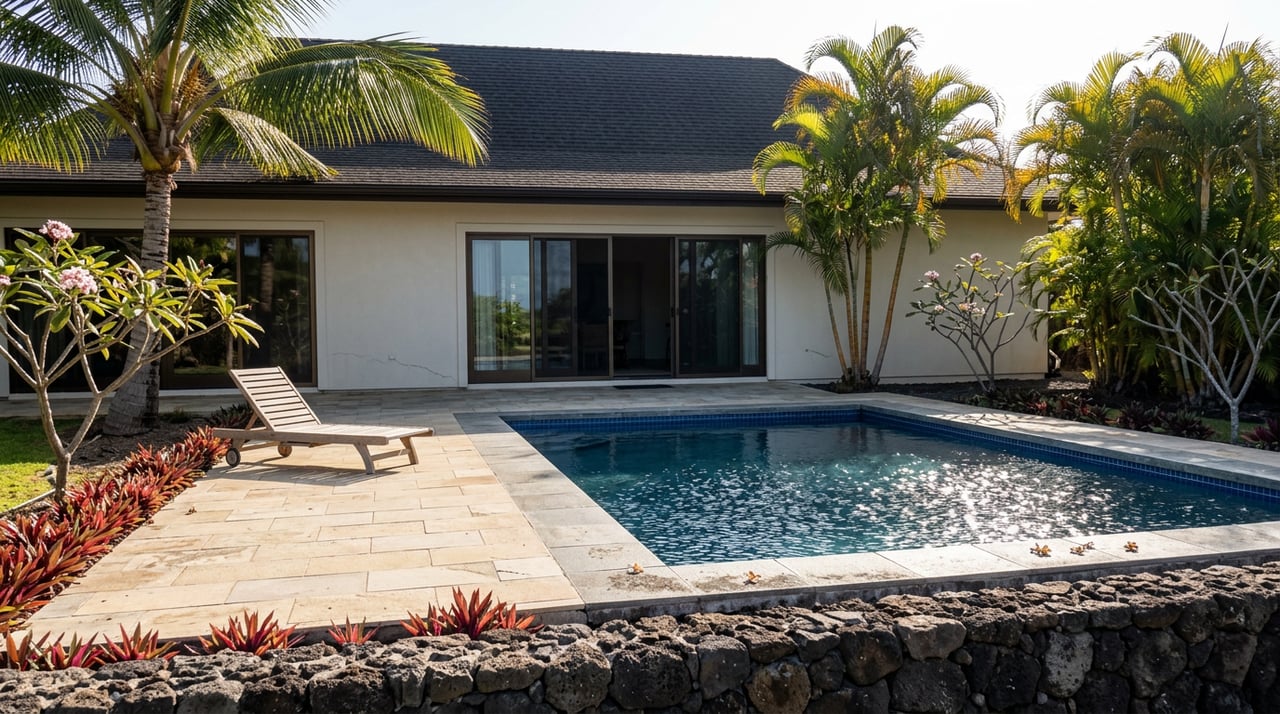
Thinking about buying on Maui’s North Shore with hopes of adding an ʻohana or creating rental income? In Paia and the surrounding area, the rules are specific and well enforced, and they can make or break your plan. You want clear guidance before you fall in love with a property or build a pro forma. In this guide, you’ll learn how ʻohanas (ADUs) work, what is and is not allowed for rentals, and the key steps to confirm legality and costs. Let’s dive in.
What ʻohana means on Maui
On Maui, an ʻohana unit is legally an accessory dwelling. The County defines it as a smaller, independent dwelling that is subordinate to the main home, with rules found in Chapter 19.35 of the County code. You will see it called an “accessory dwelling unit” or ADU in permit records. If you plan to buy in Paia or Haʻikū, start by reading how the County defines and regulates accessory dwellings in Chapter 19.35 of Title 19.35.
- Learn the definition and standards in Chapter 19.35: Maui County accessory dwellings code.
ʻOhana size and siting basics
Maui sets size limits for ADUs based on the lot area. Representative examples: up to 500 square feet on lots smaller than 7,500 square feet, 600 square feet for lots from 7,500 to 9,999 square feet, and up to 1,200 square feet on very large lots. The code also addresses decks, covered areas, and garage or carport allowances that scale with lot size. Always confirm the exact limit for the parcel you are evaluating.
How many ADUs you can have depends on lot size. Lots under 7,500 square feet typically allow one accessory dwelling. Lots 7,500 square feet and larger may be eligible for up to two, subject to setbacks, parking, and public facilities clearances. A separate entrance and at least one off-street parking space for the ADU are common design requirements.
Before you assume you can add an ʻohana, make sure the property can meet public facilities standards. County permitting will ask for proof of adequate water, wastewater, and fire access. These are hard gates to issuance.
- Development standards and size rules: Chapter 19.35 accessory dwellings.
Why an ʻohana cannot be a vacation rental
This is the single most important point for buyers who want rental income. Maui County prohibits using an ʻohana as a short-term rental or bed-and-breakfast. If you build or purchase a home with an ADU, you cannot legally list that ADU for transient stays.
The ban is explicit in the County ordinance that created the current ADU framework. It applies to both new builds and permitted ʻohanas. If your plan requires vacation-rental revenue, you need a different legal pathway than an ADU.
- Prohibition on STR/B&B use of ADUs: County ADU ordinance summary document.
Legal paths for visitor stays
Maui recognizes three legal categories for visitor lodging. Each has strict rules and documentation requirements. In Paia and Haʻikū, most discussion centers on Short-Term Rental Home (STRH) and Bed & Breakfast Home (B&B) permits.
- Transient Vacation Rentals (TVR) are typically apartment- or hotel-zoned units that were legally established for transient use.
- Short-Term Rental Homes (STRH) are non-owner-occupied single-family dwellings permitted for short-term stays under Chapter 19.65.
- Bed & Breakfast Homes (B&B) are owner-occupied hosted lodging under Chapter 19.64.
STRH and B&B operations must follow detailed operating rules. A 24/7 local manager must be reachable and able to be on-site within one hour. Advertising must include the permit number and, when allowed by the platform, the TMK. A small exterior sign with the permit number and a 24-hour contact is required. Bedrooms and guest counts are capped, with a typical limit of two guests per approved bedroom and a maximum of six bedrooms on Maui in many cases.
Permits are generally issued to a natural person, include minimum ownership thresholds, and are typically not transferable. That means you cannot assume a prior owner’s STRH or B&B permit will carry over after closing.
- STRH permit rules, caps, and operations: Maui County STRH code.
Paia specifics: caps and shoreline sensitivity
Maui limits the number of STRH and B&B permits by community plan area. Paia-Haʻikū has an allocated cap for STRHs referenced in code. On top of the cap, shoreline-adjacent or near-shore properties face added scrutiny. The Planning Department has placed shoreline-abutting applications under special review or on hold in Paia-Haʻikū because the community plan calls for limiting visitor accommodations near the shore. In practice, many near-shore applications are denied or delayed.
If you are evaluating a Paia home near the coastline, treat shoreline proximity as a likely barrier for new STRH or B&B approvals. Always confirm the most current intake posture with the County before relying on rental income.
- Community plan caps and shoreline considerations: STRH code reference.
- Planning memo context for Paia-Haʻikū: County status document.
HOA and private-rule realities
The County will consider HOA bylaws and CC&Rs in its review of neighborhood character, but it is not bound by them. The Planning Director or a commission may issue an STRH or B&B permit even if private covenants prohibit that use. That does not make the use safe from private enforcement.
If an association’s CC&Rs restrict short-term rentals or additional dwellings, the HOA can seek civil remedies against an owner who operates in violation. Before you commit to a property, obtain the CC&Rs, look at enforcement history, and assess that risk with counsel.
- How the County treats CC&Rs in permits: STRH code section.
Infrastructure checks that can make or break a plan
Wastewater and water service determine feasibility for ʻohana construction and often for any added bedrooms. Many North Shore parcels rely on septic or older cesspools. As part of the ADU public-facilities clearance, the County will require proof of adequate wastewater disposal and water. If public sewer is not available, you may need an engineered on-site system.
- Check wastewater status and County resources: Maui Recovers wastewater page.
Taxes and fees to budget for rentals
If your home will host visitor stays under a valid STRH, B&B, or TVR path, plan for taxes and registrations. State Transient Accommodations Tax increased to 11.00 percent effective January 1, 2026. Maui County also levies a 3.0 percent County Transient Accommodations Tax. You will also owe Hawaii General Excise Tax on rental income.
You must register for GET and TAT and file both state and county returns as required. Real property tax classification can change with short-term use and may shift you into a higher rate class with the loss of certain exemptions. Confirm the property’s current class with the County’s Real Property Assessment Division.
- State TAT increase notice: Hawaii Department of Taxation announcement.
- GET overview and registration: Hawaii Department of Taxation GET guide.
ʻOhana Assistance program: grants with strings
Maui has an ʻOhana Assistance pilot to help owners build ADUs for long-term resident housing. If you accept funds, expect affordability and occupancy conditions, and plan for potential deed restrictions or recapture provisions. This can be a great path to create a legal long-term rental, but build the program’s rules into your underwriting.
- Program launch and key points: ʻOhana Assistance pilot coverage.
Due diligence checklist for Paia buyers
Use this list if you want ʻohana potential, legal rental income, or both.
- Verify the TMK and search County resources. Use MAPPS and cross-check the County’s published lists of approved STRH and B&B permits. Never rely on a platform ad as proof of legality.
- Confirm any existing ʻohana is legal. Pull permits to ensure the structure was permitted as an ADU. If not, discuss after-the-fact permitting with your contractor and permit pros.
- Test your ADU plan against Chapter 19.35. Lot area, setbacks, parking, and public-facilities clearance are must-haves for approval.
- If you rely on short-term income, confirm a valid STRH, B&B, or TVR path. Check that any permit is active and whether it is transferable. Most are not.
- Screen for shoreline constraints. In Paia-Haʻikū, shoreline or near-shore locations face extra scrutiny and frequent denials for new STRH or B&B permits.
- Pull CC&Rs and ask HOA counsel about risk. County approval does not override private covenants. Understand enforcement history and penalties.
- Check wastewater and water status. If sewer is not available, price an engineered system. Water service or fire access can also affect approvals.
- Budget taxes and compliance. TAT, County TAT, GET, and real property tax class changes can alter your returns.
- Review any past advertising. Prior unpermitted STR activity can trigger enforcement or penalties. Require proof of GET and TAT filings if there was rental income.
- If using ʻOhana Assistance, bake in the rules. Model affordability periods and any recapture provisions before you count on grant dollars.
Helpful links for verification:
- County accessory dwelling standards: Chapter 19.35 ADU code
- STRH rules and permit framework: Chapter 19.65 STRH code
- Approved STRH list: Maui County’s current STRH approvals
Smart strategies for North Shore buyers
- If your goal is long-term rental income, prioritize parcels that already meet Chapter 19.35 requirements or that have a permitted ʻohana. That reduces approval risk and timeline uncertainty.
- If you want visitor-stay income, target properties with an existing, valid STRH, B&B, or TVR status and confirm renewal history. Be realistic about transfer limits and ownership-duration rules in the code.
- Near the Paia shoreline, assume new STR approvals will be difficult. Shift your plan to long-term rental or personal use unless the property already has a legal transient path.
- Build a conservative budget. Include taxes, manager requirements, signage, and any wastewater upgrades, then underwrite your returns with a safety margin.
When you are ready to explore Paia and the North Shore, you deserve local guidance that blends care for community with smart strategy. For a clear plan and on-the-ground insight, connect with Kate and Wendy Peterson to discuss your goals and the properties that fit them.
FAQs
Can I use a Paia ʻohana as an Airbnb if I live in the main house?
- No. Maui County prohibits using accessory dwellings as short-term rentals or bed-and-breakfasts, even if you occupy the main home, per the County’s ADU ordinance document.
What are the basic size limits for an ʻohana on Maui’s North Shore?
- Size scales with lot area, with examples like 500 square feet on lots under 7,500 square feet and up to 1,200 square feet on very large lots, as outlined in Chapter 19.35.
How do I confirm if a Paia home’s short-term rental is legal?
- Verify the property’s TMK against the County’s approved STRH or B&B lists, make sure ads include a valid permit number, and ensure the permit is active and in the current owner’s name.
Are STRH permits in Paia transferable to me when I buy?
- Generally no. STRH and B&B permits are issued to a natural person and are typically non-transferable, with narrow exceptions stated in the code.
Do Paia shoreline homes face special STR rules?
- Yes. In Paia-Haʻikū, shoreline-abutting and near-shore applications face added restrictions or holds, and many are denied or delayed due to community plan policies.
What taxes apply if I operate a legal STR or B&B on Maui?
- Plan for State TAT at 11.00 percent starting January 1, 2026, County TAT at 3.0 percent, and Hawaii GET on rental income, plus potential changes to your real property tax class.