If you picture mornings that start with salt on the breeze and end with a sunset stroll through a walkable beach town, Paia and Maui’s North Shore may already feel familiar. You want a place that blends natural beauty with an easygoing routine, where surf culture, small businesses, and community life meet. In this guide, you’ll get a realistic look at daily life, from climate and beaches to housing, services, and commute tips. Let’s dive in.
Where Paia sits on Maui’s map
Paia is a small town on Maui’s windward north shore between Kahului to the west and the road to Hana to the east. It is the gateway for exploring the North Shore and the start of the Hana route. You’ll find a compact, walkable center lined with cafes, boutiques, and surf shops that feels lively yet relaxed.
Kahului, which includes Maui’s main airport and major commercial services, is usually under a 30-minute drive depending on traffic. Keep in mind that Paia sits along a single coastal road. Seasonal visitors and the Hana drive can create congestion, so you plan errands and airport runs with time to spare.
Climate and outdoor rhythm
Trade winds and microclimates
The North Shore is windward, which means you feel consistent northeast trade winds for much of the year. Mornings are often gentler, with winds strengthening in the afternoon. Temperatures are warm year-round with smaller seasonal swings than many mainland areas. Rainfall is higher than Maui’s leeward sides, which keeps hillsides green. Microclimates are part of daily life, so a five-minute drive can shift you from bright sun to a passing shower. You’ll want sun protection and a light wind layer in your bag.
Surf seasons and water safety
Winter brings world-class north and northwest swells. Spots like Ho‘okipa and Pe‘ahi, also called Jaws, can see large and dangerous surf that draws global attention and expert athletes. Summer is typically calmer, which makes swimming and snorkeling more feasible at select beaches. Trade winds support windsurfing and kiteboarding during the windy season. Ocean safety is essential on the North Shore. Currents, rip tides, and shorebreak are common. Always check conditions and follow posted warnings and local advice.
Beyond the beach
If you want to switch it up, you have hiking, cycling, and local parks nearby. Upcountry Maui, including Makawao and Kula, is close enough for a change of scenery and cooler temperatures. Yoga studios, fitness classes, and community markets round out an active lifestyle.
Daily life and amenities
Dining and shopping
Paia’s Main Street is a hub for independent restaurants, cafes, health-food stores, boutiques, galleries, and surf shops. You feel the mix of long-time local businesses and visitor-oriented storefronts. At the height of travel season, foot traffic rises and reservations can help for popular spots.
Schools and learning
Public elementary options are in or near town, such as Paia Elementary School. For middle and high school, many families commute to nearby Central Maui communities depending on districting. Private schools exist in areas like Makawao and Kahului. Always confirm current school assignments and transportation plans with the Hawaii State Department of Education before you decide on a home.
Healthcare and services
For advanced care and the main hospital, you drive to Kahului and Wailuku. Urgent care and clinics are available across the island, and you should check which options are closest to your address. Plan routine appointments and refills with travel time in mind.
Getting around
Car ownership is the norm. County bus service reaches parts of the North Shore, but schedules and frequency are more limited than in large cities. Walking and biking work well within Paia’s town center, though most errands and medical visits are easier by car.
Utilities and internet
You can expect standard electric and water service, but infrastructure can feel tighter than on the mainland. Broadband speed and provider options vary by street. If you work remotely, verify service levels for any property you consider. Many older homes use septic systems, and some have legacy cesspools. Hawaii is phasing out cesspools over time, so you should review permit status and future requirements for any home with onsite wastewater.
Housing and cost realities
Home styles you’ll see
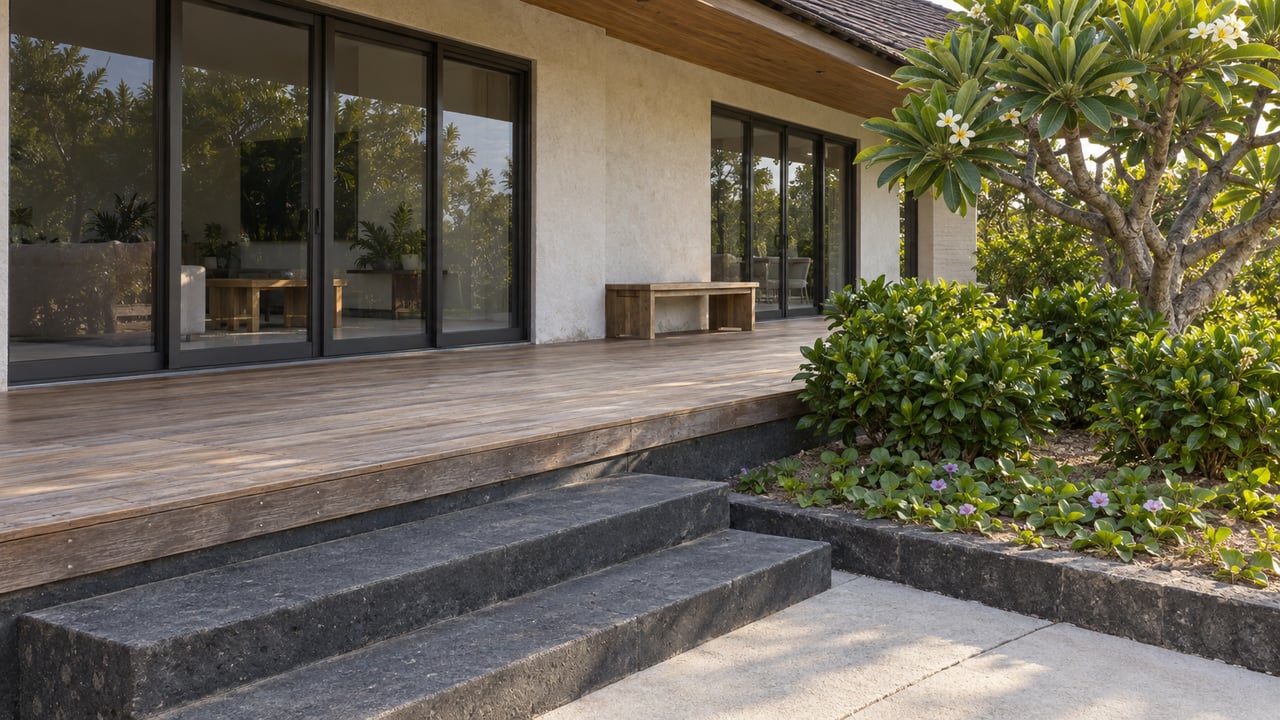
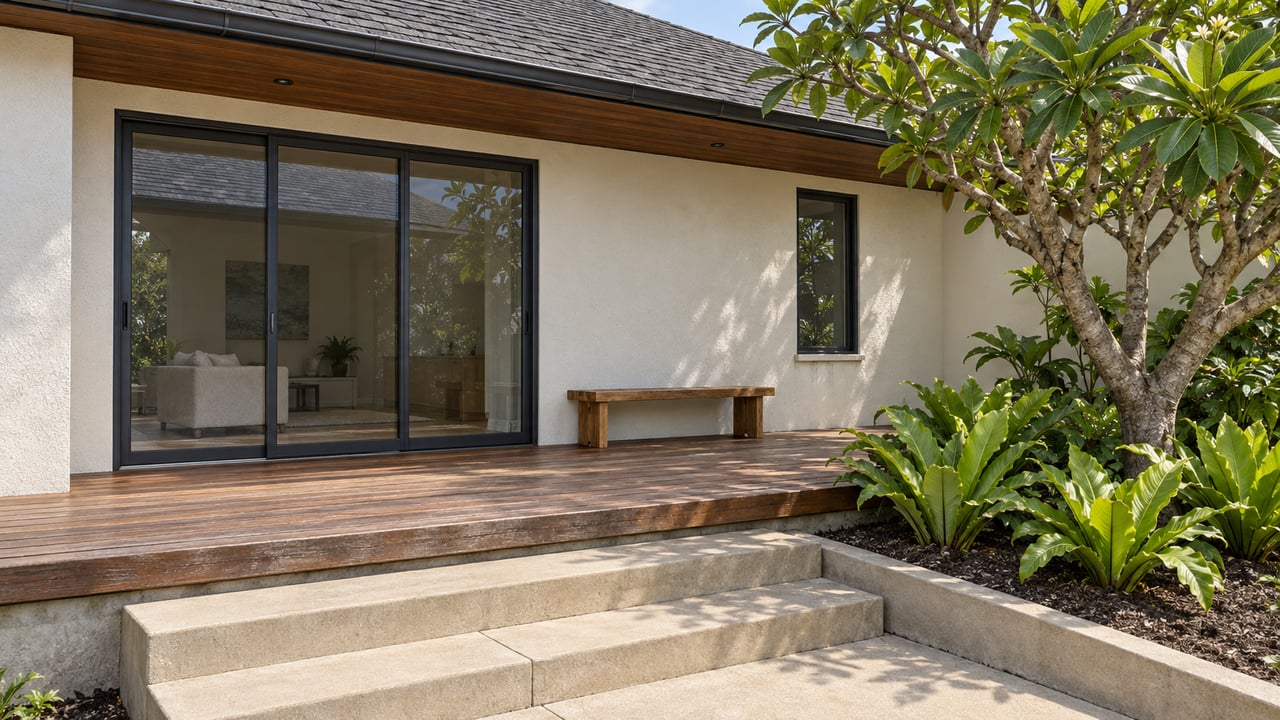
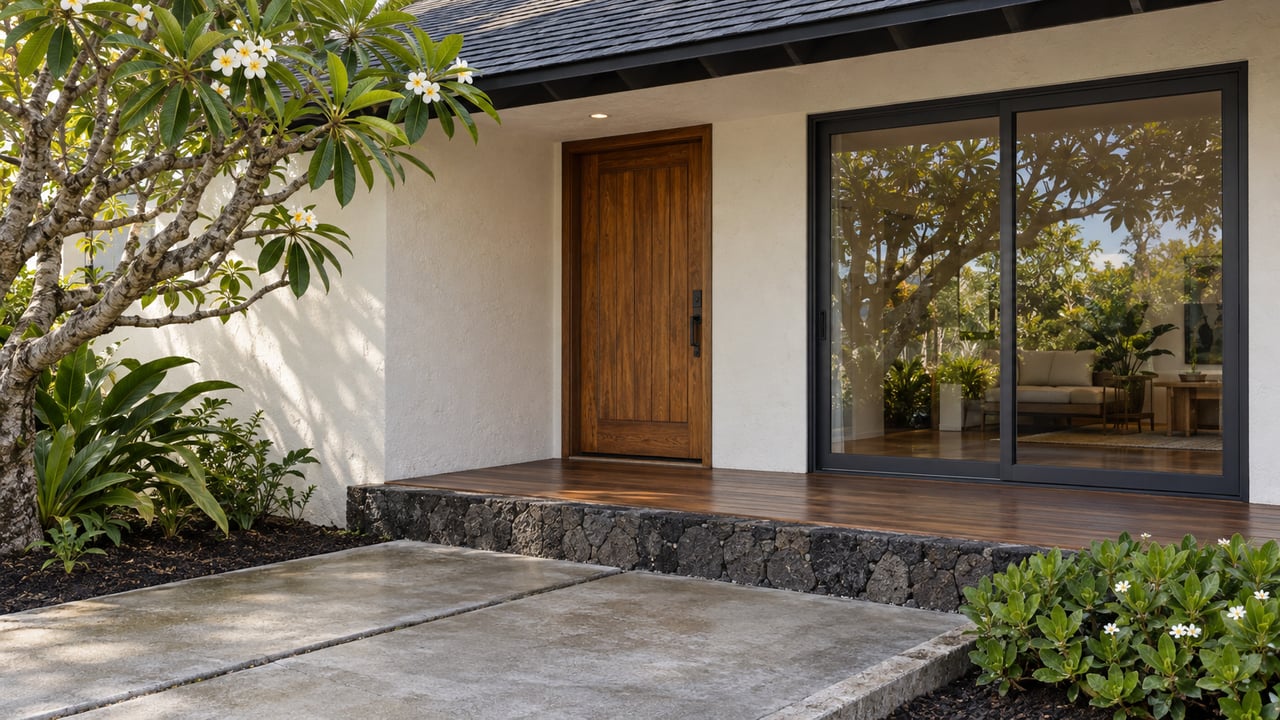
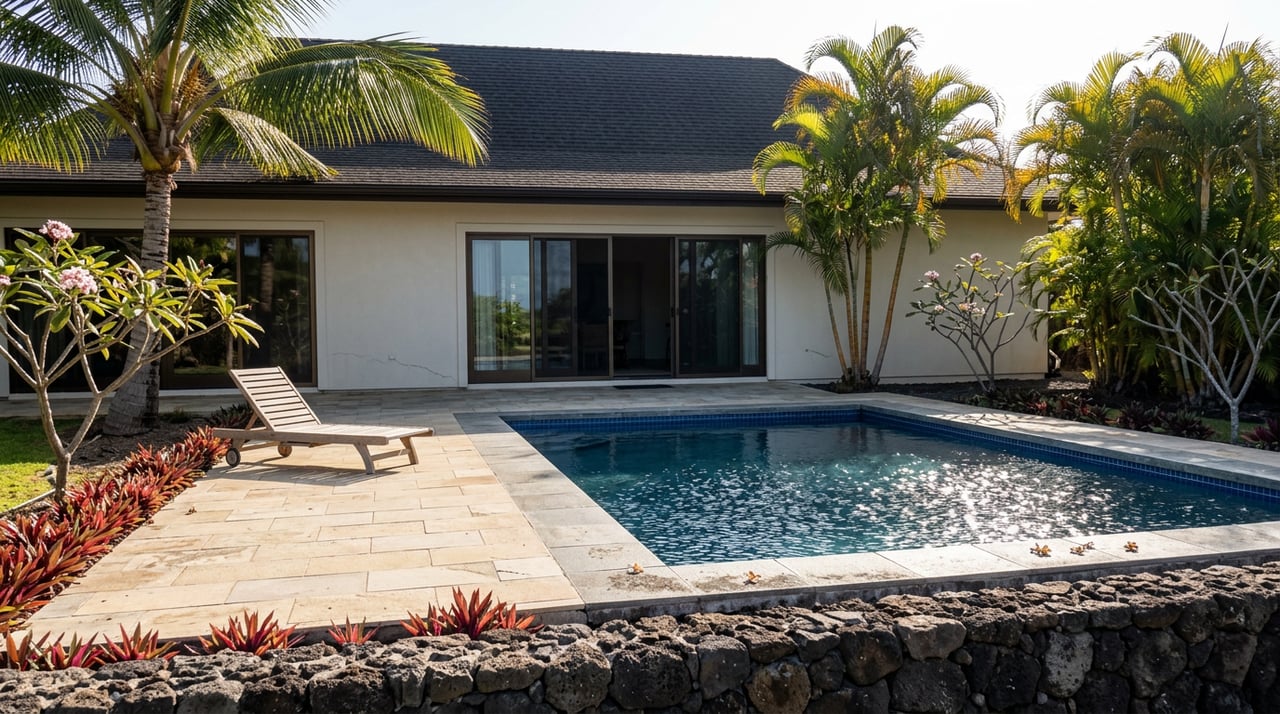
Housing is eclectic. You’ll see plantation-era cottages, updated single-family homes, rural agricultural properties, and high-end oceanfront residences. There are also some condo options and pockets of vacation rentals. Inventory can be tight, and standout homes near the water often sell quickly.
Costs, taxes, insurance, and upkeep
Maui’s overall cost of living is higher than the national average. Groceries, utilities, fuel, construction, and maintenance carry island premiums. Property taxes vary by classification and potential exemptions, so you should review your specific property details through Maui County. Insurance for homeowners and wind or hurricane coverage can be higher than many mainland markets and can vary by location and property type. With salt air, tropical growth, and termite risk, plan for proactive maintenance and regular exterior care.
Short-term rentals and rules
Short-term rentals are a major topic across Maui County. Zoning, permits, and registration requirements have evolved over recent years, and enforcement has increased in many areas. Before you buy, research the current rules for the neighborhood and confirm any permit status in writing. Operating a vacation rental without proper authorization can lead to fines and closure. If your goal is long-term living, keep in mind that vacation rentals can reduce long-term inventory and influence pricing in certain pockets.
Community vibe and culture
The North Shore blends long-time local families, artists, surfers, health-focused entrepreneurs, and second-home owners. The feel is often described as bohemian and eclectic. You’ll find community activism around land use and conservation, along with a tourism-friendly energy that shapes daily rhythms. Farmers markets, arts and music gatherings, and seasonal surf events are part of the social calendar.
Who feels at home here
You might love the North Shore if you want close ocean access, a small-town center, and a lifestyle that prioritizes time outside. It suits people who enjoy wind sports and surf, small-business culture, and a pace that is friendly and unhurried. If you need large-scale medical specialists daily or city-level infrastructure, you will want to verify commute times, connectivity, and services.
Events and seasonal rhythms
In winter, big-swell days can bring spectators and photographers to famous breaks. Visitor flow influences daytime traffic and business hours, while quieter stretches return outside peak seasons. Community events often highlight local food, Hawaiian music and arts, and the ocean culture that defines the area.
Risks and preparedness
Ocean hazards are a real part of life here. Strong surf, rip currents, and sudden shorebreak require caution. Weather can bring tropical storms and heavy rains that cause localized flooding. Island living also means being ready for hurricane season. Keep basic supplies, know your evacuation routes, and make a plan for your household. The August 2023 wildfires on West Maui affected the island’s economy and housing conversations. While the North Shore was not the epicenter, you should stay informed about recovery, policy updates, and how they shape county planning.
A day in the North Shore life
Start early with a beach check while winds are calm. If the waves look friendly, grab a quick session. If it’s one of those powerful winter days, pack a camera and watch from a safe lookout. After a rinse, stroll Paia’s main strip for coffee and a light bite. Late morning is a good window for errands before the afternoon breeze builds. If you need a larger grocery run, head to Kahului and plan a few stops in one loop.
By midday, trade winds usually turn on. You might join friends for windsurfing or kiteboarding at a designated spot. If you prefer a hike, head Upcountry for cooler air and open views. Evening brings you back to town for dinner, a gallery visit, or a low-key music set. Weekends add farmers markets and community classes. The rhythm is outdoorsy, social, and comfortable in its routine.
Is Paia the right fit for you?
You’ll likely thrive here if you:
- Want daily ocean access and an outdoor-first routine.
- Enjoy a walkable town center with independent businesses.
- Value a community that mixes long-time residents with newcomers.
- Can plan ahead for higher costs, maintenance, and occasional wind and rain.
You may want to look elsewhere or verify details if you:
- Need consistent big-city amenities or frequent access to many medical specialists.
- Require ultra-fast, high-availability broadband without address verification.
- Prefer a dense, urban lifestyle over a small-town feel.
When you are ready to preview homes or compare neighborhoods, you deserve guidance rooted in local knowledge and tailored to your goals. For thoughtful, place-based advice and concierge service, connect with Kate and Wendy Peterson. We’re here to help you explore Paia and the North Shore with clarity and care.
FAQs
What is the climate like in Paia and the North Shore?
- Warm and tropical with consistent trade winds, greener landscapes than leeward areas, and microclimates that change conditions within short drives.
How long is the commute from Paia to the airport in Kahului?
- Typical drive times are under 30 minutes, though seasonal traffic and the single coastal road can add delays, so you should plan ahead.
Are there good beginner beaches for swimming in summer on the North Shore?
- Summer is generally calmer than winter, but conditions change daily. Always check ocean reports, look for warnings, and choose protected areas suited to your experience.
What schools serve families living in Paia and nearby?
- Elementary options include Paia Elementary School. Middle and high school students often commute to nearby towns depending on districts. Confirm assignments with the state.
What should I know about short-term rental rules before buying in Paia?
- Rules depend on permits, zoning, and registration. Policies have evolved, enforcement has increased, and operating without proper authorization can lead to fines.
How reliable is internet service in Paia and the North Shore?
- Broadband availability and speeds vary by address. If you work remotely or need high speeds, verify providers and service levels for specific properties before you commit.