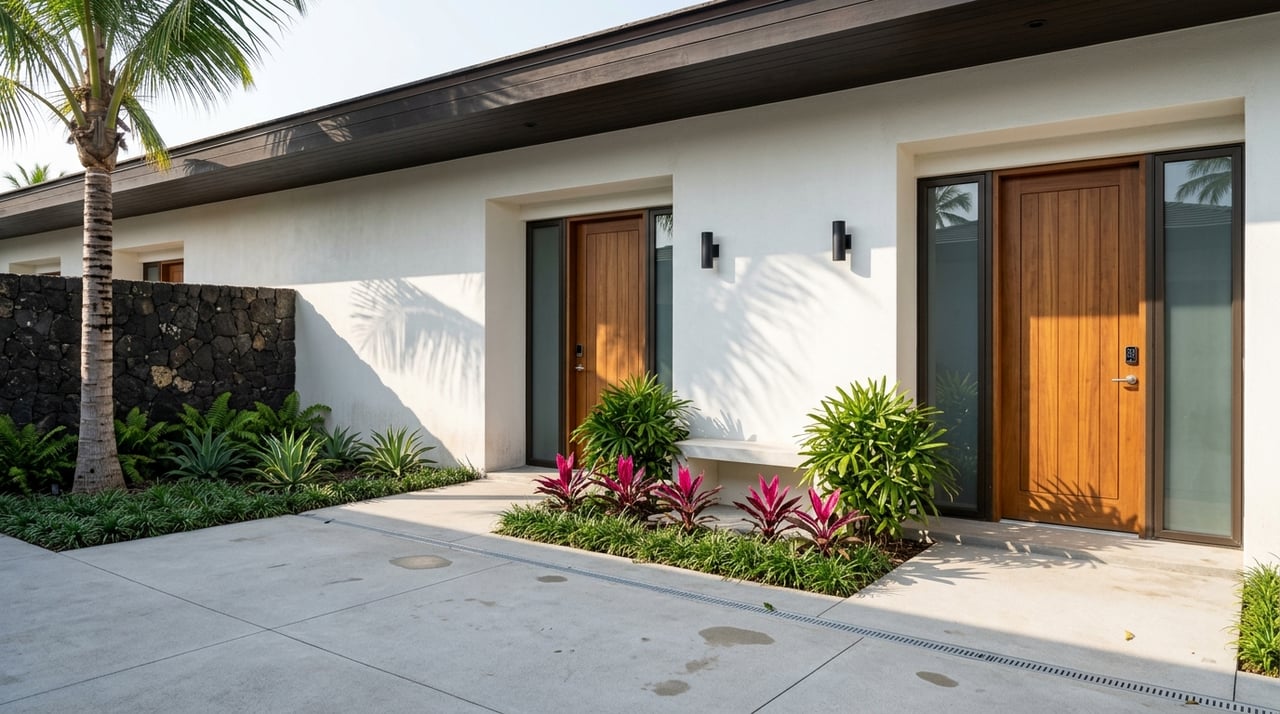
Thinking about buying a Wailea or Makena condo for vacation use or rental income? This part of South Maui offers some of the island’s most sought-after resort communities, but the rules are not one-size-fits-all. If you are weighing a second home or investment purchase, understanding county zoning, HOA limits, and Maui’s changing policy landscape can help you avoid expensive surprises. Let’s dive in.
Why vacation rental rules matter
In Wailea and Makena, rental potential depends on more than a beautiful unit and a strong location. Maui County rules, real property tax classification, and each condo community’s governing documents can all shape how you use a property.
That means two condos that look similar on paper may offer very different ownership options. One may support visitor stays in a hotel or resort setting, while another may face tighter limits, longer minimum stays, or future policy risk.
Maui County rules set the foundation
Maui County reports that more than 16,000 units are legally eligible to operate as short-term rentals without a permit, mostly in hotel-zoned districts, along with some apartment districts and other pre-existing situations. All short-term rentals must pay Hawaii GET and TAT.
Outside approved districts, owners generally need a Short-Term Rental Home permit, Bed & Breakfast permit, or Conditional Permit. The county’s STRH program also requires a designated manager, onsite parking, and the permit number in advertising.
For resort condo buyers, this matters because legality starts with the property’s zoning and approved use status. Before you count on rental income, you need to confirm how the county classifies that specific unit.
Bill 9 changed the risk picture
In December 2025, Maui County adopted Ordinance 5909, also known as Bill 9. The ordinance phases out transient vacation rentals in apartment districts by December 31, 2028 in West Maui and by December 31, 2030 in the rest of the county, with exemptions for existing timeshares and some other legally protected uses.
For Wailea and Makena buyers, that creates an important distinction between hotel or resort-zoned communities and legacy apartment-district condos that have historically allowed short-term occupancy. If your purchase depends on long-term vacation rental income, this is not a small detail. It is a core underwriting issue.
Wailea and Makena communities with stronger resort positioning
If your goal is flexible visitor use, the most stable starting point is usually a community that is clearly hotel or resort-oriented in current county records and active resort management. Several Wailea and Makena properties fit that description based on the research provided.
Wailea Beach Villas
Wailea Beach Villas is marketed as a vacation rental property, and county materials list it in zoning categories tied to hotel use with a hotel community-plan designation. For buyers seeking a luxury resort-style ownership model, that is a more straightforward framework than relying on legacy apartment-district status.
Hoʻolei
Hoʻolei appears in the county’s hotel-zoned non-apartment category and is managed as a luxury villa collection in Wailea. That combination makes it one of the clearer examples of a resort-oriented ownership option in South Maui.
Wailea Elua Village
Wailea Elua Village is offered as a vacation rental community, and county reporting places Wailea Elua I and II in hotel zoning. Current property operations include a five-night minimum stay, which is important if you are picturing very short booking windows.
Makena Surf
Makena Surf is marketed as a beachfront vacation rental resort. Its HOA house rules set a five-night minimum and state that rentals are subject to the declaration, bylaws, and Maui County zoning ordinances.
That is a good example of how county legality and HOA operations work together. A property may support visitor use, but the house rules still shape how that use actually works.
Polo Beach Club
Polo Beach Club is marketed as an oceanfront vacation residence collection in Wailea. For buyers focused on premium resort positioning, it is often part of the conversation because it aligns with the visitor-oriented format many second-home owners want.
Wailea Point
Wailea Point stands apart from the nightly rental model. Current marketing indicates the community is available only for stays over 30 days, which makes it better suited to long-stay luxury use than high-turnover vacation rental income.
If you love the location and lifestyle but do not need short-stay income, that can still be an attractive ownership profile. It is just a very different use case.
Legacy apartment-district condos need closer review
Some well-known Wailea condo communities appear on Maui County’s apartment-district properties allowed for short-term occupancy. These include Wailea Ekahi I, II, and III, Wailea Ekolu, Palms at Wailea I, and Grand Champions Villas.
At the same time, the county warns that this list does not grant entitlement and may be subject to error. Buyers should still consult the Department of Planning before assuming rental rights for any specific unit.
This is where Bill 9 becomes especially important. If a property’s visitor-use profile depends on legacy apartment-district treatment, you should view that income stream as time-limited policy risk rather than permanent certainty.
Communities to verify carefully
If you are considering one of these communities, verify the exact unit before making assumptions:
- Wailea Ekahi
- Wailea Ekolu
- Palms at Wailea I
- Grand Champions Villas
These communities may still be marketed for vacation rental use today, but your decision should rest on current county confirmation for that specific TMK, not general reputation or past performance.
HOA rules can narrow your options
One of the biggest mistakes buyers make is assuming county legality gives them full operating freedom. In Wailea and Makena, resort HOAs often add another layer of rules that can materially affect how you use the property.
Examples from current property documents include five-night minimum stays at Makena Surf and Wailea Elua, a 30-day minimum at Wailea Point, prior written notice to the AOAO for non-owner occupants at Makena Surf, quiet hours, no pets, and limits on guest behavior and parking.
Those rules influence more than convenience. They can affect booking patterns, guest turnover, management style, and the overall income model that makes sense for the property.
Taxes and carrying costs matter too
Rental rules are only part of the ownership equation. Maui County separately classifies TVR-STRH and hotel-and-resort properties for real property tax purposes, which means carrying costs may differ from owner-occupied or long-term rental ownership.
If you are comparing two condos, similar list prices do not always mean similar cost structures. Tax classification, GET, and TAT should be part of your numbers from the start.
A smart way to evaluate Wailea and Makena condos
If you are buying for both lifestyle and income, it helps to think in tiers.
Best fit for flexible visitor stays
Hotel or resort-positioned communities generally offer the clearest path for short-stay use. Based on the research provided, that includes:
- Wailea Beach Villas
- Hoʻolei
- Makena Surf
- Polo Beach Club
- Wailea Elua
These communities still require review of current documents and operations, but they offer a stronger starting point for buyers who want resort-style visitor use.
Best fit for long-stay luxury use
Wailea Point is better aligned with buyers who want an elegant South Maui residence and do not need nightly rental flexibility. Its 30-day minimum points to a more private, longer-stay ownership pattern.
Highest caution for policy-sensitive income
Legacy apartment-district communities may still appeal to investors, but they deserve extra scrutiny because of Bill 9’s phaseout timeline. If your purchase depends on short-term rental revenue, confirm whether the specific TMK is still on the county’s legal occupancy list and how that fits your holding period.
Five things to verify before you buy
Before underwriting any resort condo purchase in Wailea or Makena, verify these five items:
- The unit’s TMK and zoning
- Whether the unit appears on a county-approved occupancy list
- The condo declaration, bylaws, and house rules
- Any management agreement or rental program terms
- The county tax classification and GET/TAT status
This step is where careful guidance can make a major difference. The goal is not just finding a beautiful property. It is finding a property that matches how you actually plan to use it.
Wailea and Makena remain two of Maui’s most compelling resort markets for second-home buyers and investors. But in today’s market, smart buying means looking past the view and into the rulebook.
If you are considering a resort condo and want help narrowing the field to properties that fit your ownership goals, Kate and Wendy Peterson can help you evaluate Maui listings with a clear, grounded understanding of zoning, community rules, and long-term value.
FAQs
What vacation rental rules apply to Wailea and Makena condos?
- Vacation rental use in Wailea and Makena depends on Maui County zoning, whether a unit is on an approved occupancy list, applicable taxes, and each condo community’s own governing documents and house rules.
Which Wailea and Makena communities are better suited for short stays?
- Based on current county and property information in the research provided, Wailea Beach Villas, Hoʻolei, Makena Surf, Polo Beach Club, and Wailea Elua are stronger starting points for buyers seeking resort-style visitor use.
Are apartment-district condos in Wailea still allowed to rent short term?
- Some legacy apartment-district communities, including Wailea Ekahi, Wailea Ekolu, Palms at Wailea I, and Grand Champions Villas, appear on the county list for short-term occupancy, but buyers should verify the exact unit and understand the policy risk created by Bill 9.
How does Bill 9 affect Wailea vacation rental buyers?
- Bill 9 phases out transient vacation rentals in apartment districts by December 31, 2030 in most of Maui County, which means buyers relying on legacy apartment-district rental income should treat that use as time-limited unless an exemption applies.
Can an HOA limit vacation rental use in Wailea or Makena?
- Yes. HOA rules can set minimum stay requirements, parking rules, guest conduct standards, notice requirements for non-owner occupants, and other operating limits that may be more restrictive than county zoning alone.
What should you verify before buying a Wailea or Makena rental condo?
- You should confirm the unit’s TMK and zoning, county occupancy status, condo documents and house rules, management terms, and the property’s tax classification plus GET and TAT obligations.