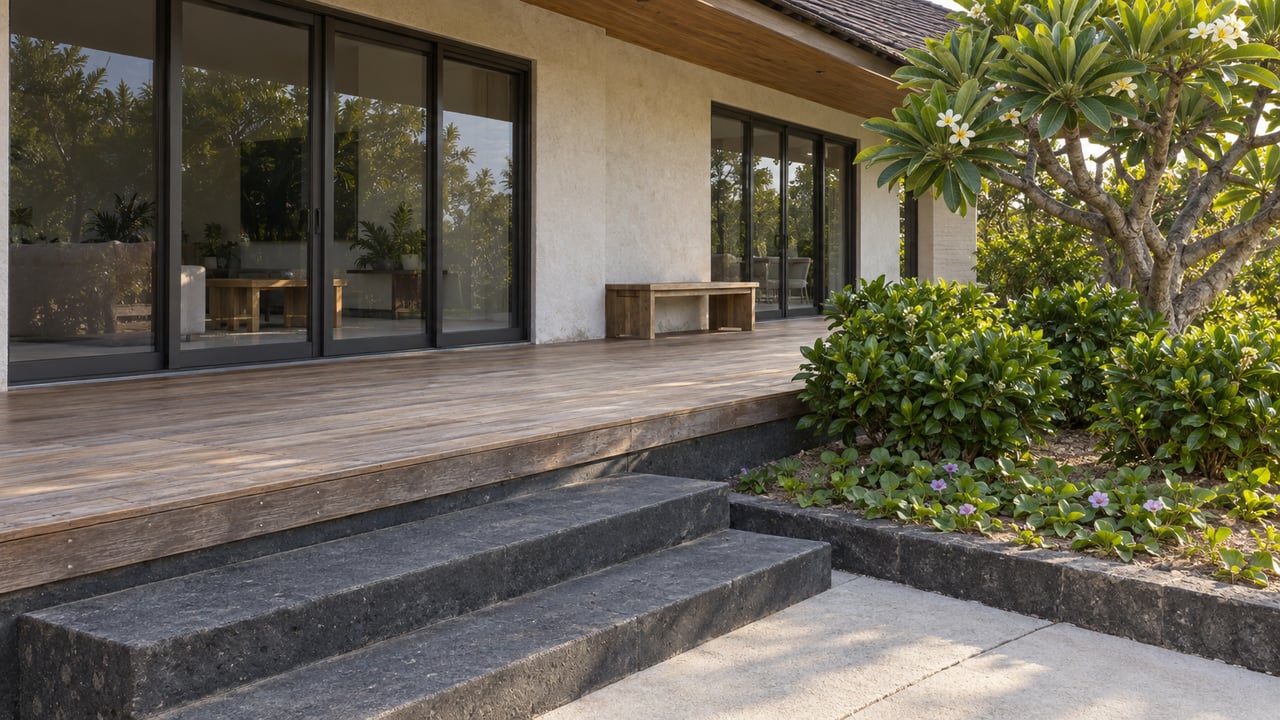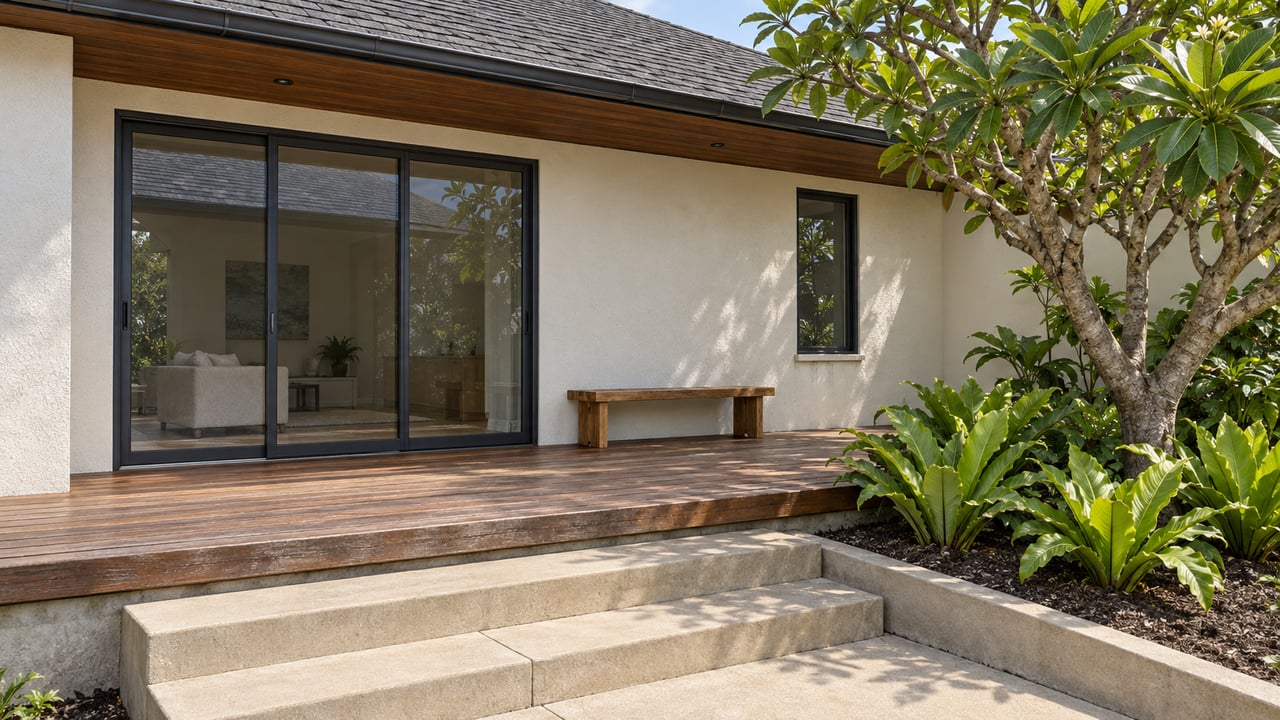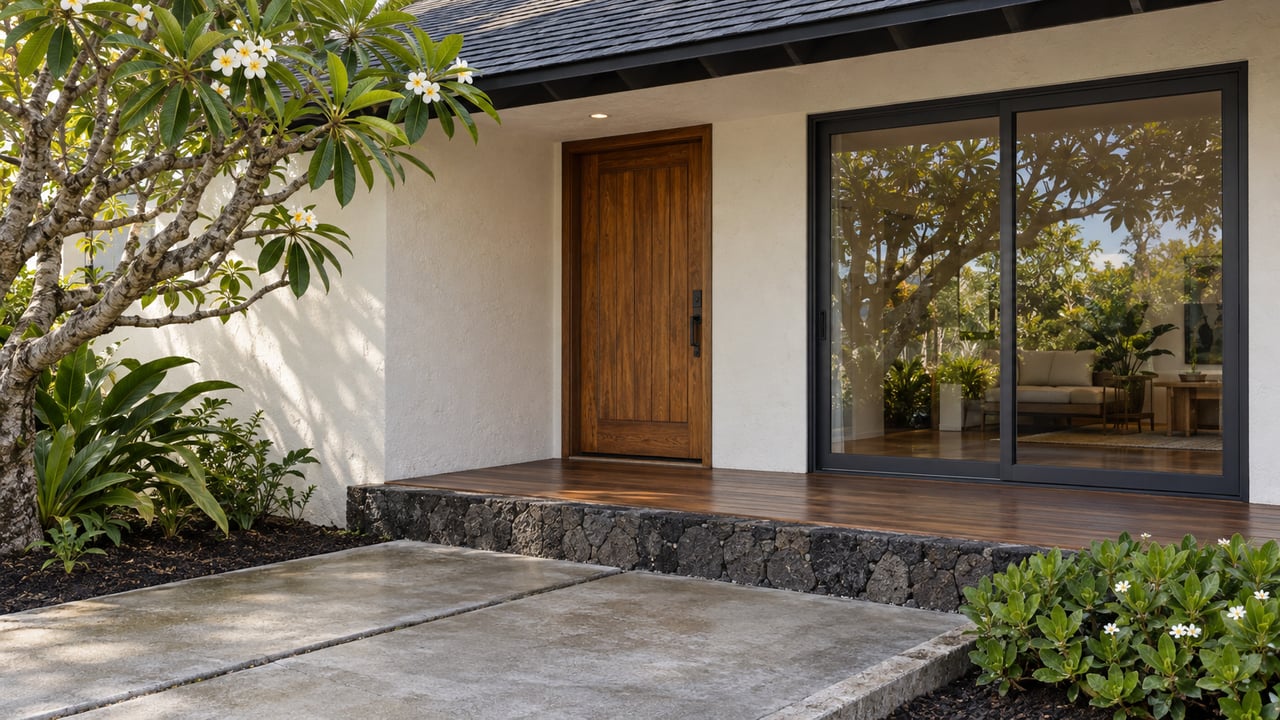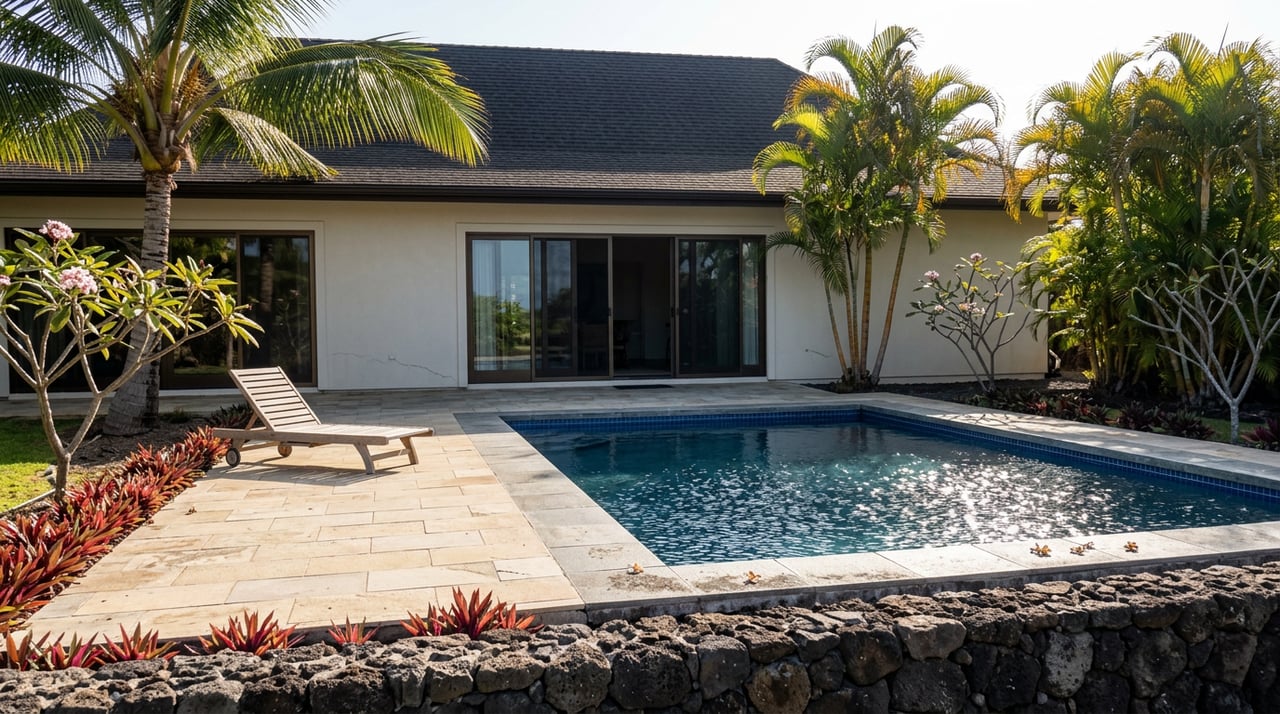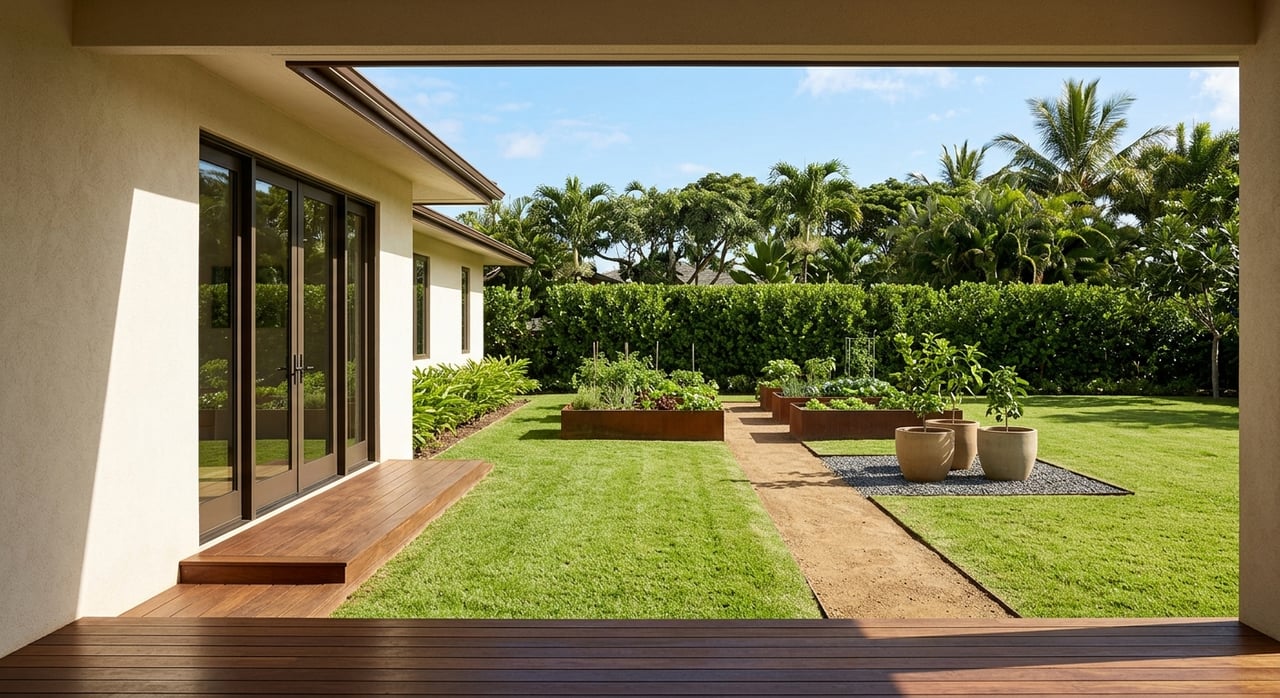
Are you dreaming about more space, more privacy, and a deeper connection to Maui’s landscape? Larger properties near Paia and Maui’s North Shore can offer exactly that, but they also come with a different kind of day-to-day ownership experience. If you are considering acreage in this part of Maui, it helps to understand how climate, wind, water, and land care shape daily life so you can choose a property that truly fits your lifestyle. Let’s dive in.
What life feels like on North Shore acreage
Living on a larger property near Paia often feels open, breezy, and private. The area sits in a windward, trade-wind climate, and NOAA notes that Hawaiʻi’s climate is shaped by mild temperatures, moderate humidity, persistent northeasterly trade winds, and sharp rainfall differences across short distances.
That means two properties in the same general area can feel surprisingly different from one another. NOAA’s Maui climatology for Kahului also points to a pronounced dry season from May through October and a wet season from November through April, so the rhythm of the year matters when you are planning landscaping and upkeep.
Larger parcels here are rarely just about the home itself. The land becomes part of how you live, how you spend your time, and how you care for the property over the long term.
Why larger properties need planning
On Maui’s North Shore, wind and salt are not small details. CTAHR notes that wind can be as injurious to plants as salt, and exposed coastal landscapes tend to do best with highly salt- and wind-tolerant species.
This is one reason larger properties often work best when the landscape is planned in zones. More exposed areas may need hardier plantings, while sensitive gardens and outdoor living spaces often benefit from protection created by buildings, fences, or windbreak plantings.
Instead of thinking about the land like a typical yard, it helps to think of it as a working outdoor environment. That mindset can make a big difference in how enjoyable and manageable the property feels over time.
Water matters on Paia-area acreage
Water planning is part of normal ownership conversations in this area. Paia is included in Maui County’s Central water system, which makes irrigation planning an important part of evaluating and maintaining a larger property.
For buyers, that means it is wise to look beyond views and square footage. You also want to understand how the land is watered, how planting areas are organized, and whether the property’s outdoor spaces match the amount of care you want to give them.
On acreage, good water planning supports both appearance and efficiency. It can also help reduce the need for constant reworking later.
The real maintenance rhythm
The biggest surprise for many buyers is not a single major project. It is the steady rhythm of recurring work.
CTAHR says proper weeding, fertilization, pruning, and irrigation are what keep landscapes efficient over time. CTAHR also notes that many landscape plants in Hawaiʻi need pruning several times during the year.
In practical terms, that often means your routine may include:
- Checking irrigation regularly
- Managing weeds before they spread
- Pruning multiple times a year
- Refreshing mulch as needed
- Watching how wind and seasonal rain affect plant health
- Clearing and trimming to keep the landscape in scale
This does not mean larger properties are hard to enjoy. It means they tend to reward owners who appreciate active stewardship rather than a very low-touch setup.
Where to focus first outdoors
If you are evaluating an acre or more, some parts of the landscape usually deserve attention before others. In many cases, irrigation, pruning, mulch, and weed control are the systems that shape how well the property holds up over time.
CTAHR’s guidance supports a practical, consistent approach. Soil testing helps determine whether fertilizer is needed, what kind to use, and how much, while CTAHR’s mulching guidance recommends a 3- to 4-inch mulch layer for most situations in Hawaiʻi.
That points toward a simple but important ownership principle. Smaller, regular adjustments usually work better than waiting for the landscape to become overgrown or stressed.
Gardens and orchards on exposed sites
If you hope to garden or grow fruit on North Shore acreage, plant selection matters. CTAHR’s coastal planting guide explains that exposed areas and more protected areas should be treated differently, with hardier species used where wind and salt are strongest.
CTAHR identifies Zone 1 plants as appropriate for exposed beach-facing locations and Zone 2 plants as better suited to more protected places. It also advises avoiding invasive species.
This kind of zoning can help a property look healthier with less replanting. It also supports a more durable landscape that fits the site instead of constantly fighting it.
CTAHR also notes that seashore paspalum is widely used in Hawaiʻi and valued for its salt tolerance in coastal settings. For some owners, details like this can make a noticeable difference in how practical and resilient the property feels.
If the property includes animals
Some larger properties near Paia and the North Shore may include pasture or space for animals. When that is part of the picture, ownership becomes more structured and more hands-on.
Maui County’s CTAHR livestock program focuses on pasture management, livestock production, nutrient management, and weed control strategies. Its guidance recommends fencing, water systems, shade, and careful stocking so animals do not permanently damage ground cover.
CTAHR also suggests grazing an area until about half the plant material is eaten, then resting it for 18 to 25 days. It warns against overstocking when forage growth slows.
For buyers, the takeaway is clear. Animals can add a meaningful layer to the lifestyle, but they also require infrastructure, rotation, and regular monitoring.
Grazing needs a system
CTAHR’s grazing-management materials note that very few areas in Hawaiʻi are suited to continuous grazing. Effective systems depend on how water, fencing, forage distribution, and terrain work together.
That means a property with pasture should be evaluated as more than open space. You want to understand how the land functions and what kind of daily or weekly care it will need.
If you love the idea of a land-based lifestyle, this can be part of the appeal. If you want minimal outdoor responsibilities, it may be a sign to look for a different type of property.
What tends to work best long term
The larger properties that age well are often the ones where owners choose durability over novelty. On exposed sites, that usually means wind- and salt-tolerant planting, practical buffer placement, and landscapes sized to match the owner’s available time and energy.
CTAHR’s coastal planting and pruning guidance point in the same direction. Choose plants for the site, maintain them before they become overgrown, and build the landscape around real conditions rather than idealized expectations.
That is part of what makes acreage ownership near Paia so distinctive. The rewards can be wonderful, including privacy, room to garden, and space for intentional outdoor living, but the land asks for attention in return.
Is North Shore acreage right for you?
For the right buyer, life on a larger property near Paia can be deeply satisfying. It can offer breathing room, a sense of stewardship, and the chance to shape outdoor spaces in a way that feels personal and connected to place.
It is often best suited to buyers who want to be engaged with the land. If you enjoy observing seasonal changes, refining the landscape over time, and caring for more than just the house, this kind of property can feel especially rewarding.
At Properties of Maui, we understand that acreage purchases are about more than square footage. They are about fit, lifestyle, and how you want to live with the land over time. If you are exploring larger properties near Paia or Maui’s North Shore, connect with Kate and Wendy Peterson for thoughtful, place-based guidance.
FAQs
How much upkeep is realistic on a larger property near Paia?
- Larger properties usually involve a steady cycle of irrigation checks, pruning, weed management, mulch refreshes, and watching how the landscape responds to wind and seasonal rain.
What landscape tasks matter most on North Shore acreage?
- CTAHR guidance points to irrigation, pruning, weed control, soil management, and mulch as the core systems that help larger landscapes stay healthy and efficient over time.
What helps a coastal landscape near Paia last longer?
- Wind- and salt-tolerant plant selection, protected planting zones, and regular maintenance tend to support healthier landscapes with less need for constant replanting.
What should you know about gardens on larger North Shore properties?
- Gardens often perform best when plant selection matches site exposure, with hardier species in exposed areas and more sensitive plants placed in protected zones.
What does it take to keep animals on acreage near Paia?
- CTAHR guidance emphasizes fencing, water systems, shade, careful stocking, and grazing rotation, since animals can affect pasture health quickly without the right setup.
Why is water planning important for larger properties near Paia?
- Because Paia is part of Maui County’s Central water system, irrigation and water planning are normal parts of ownership and can shape how functional and manageable the property feels.