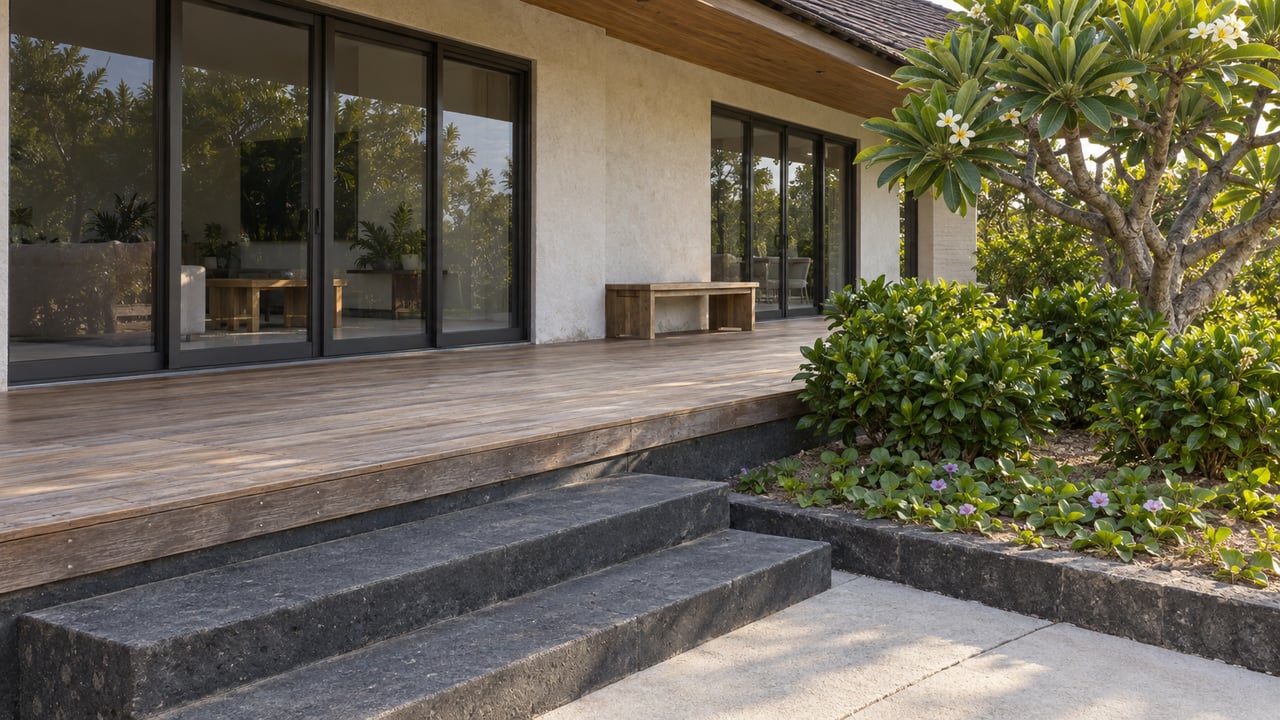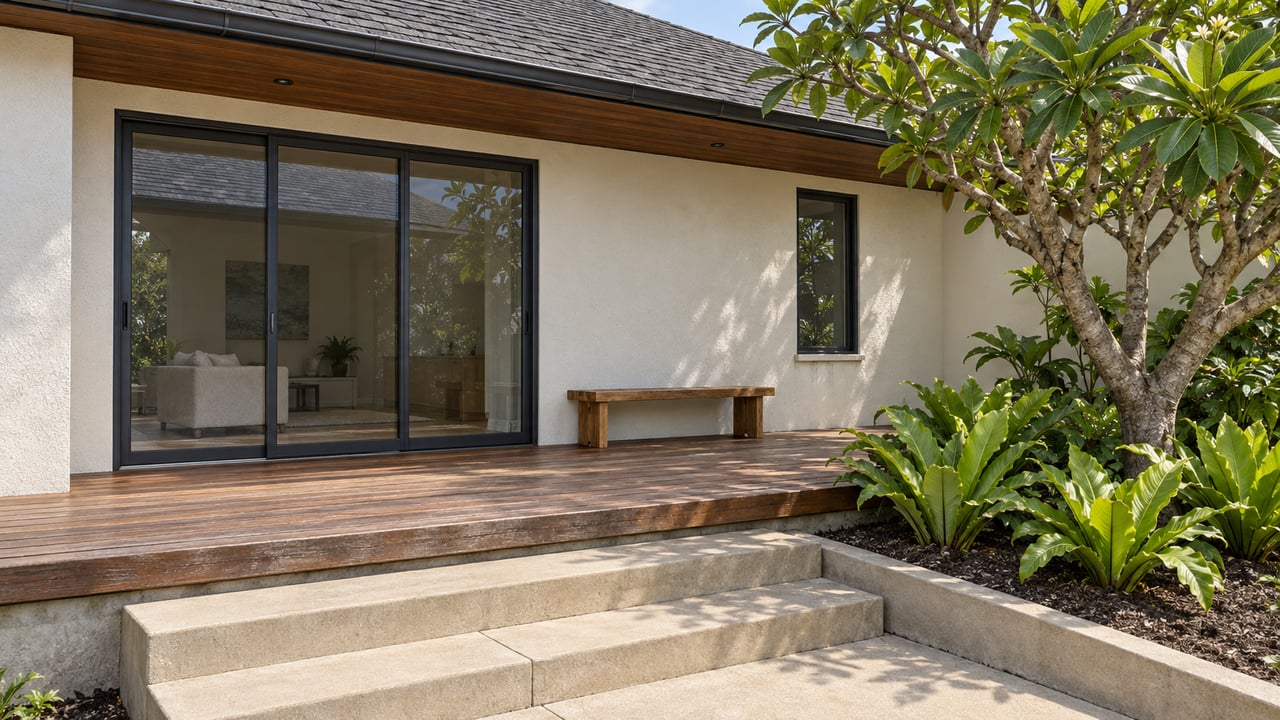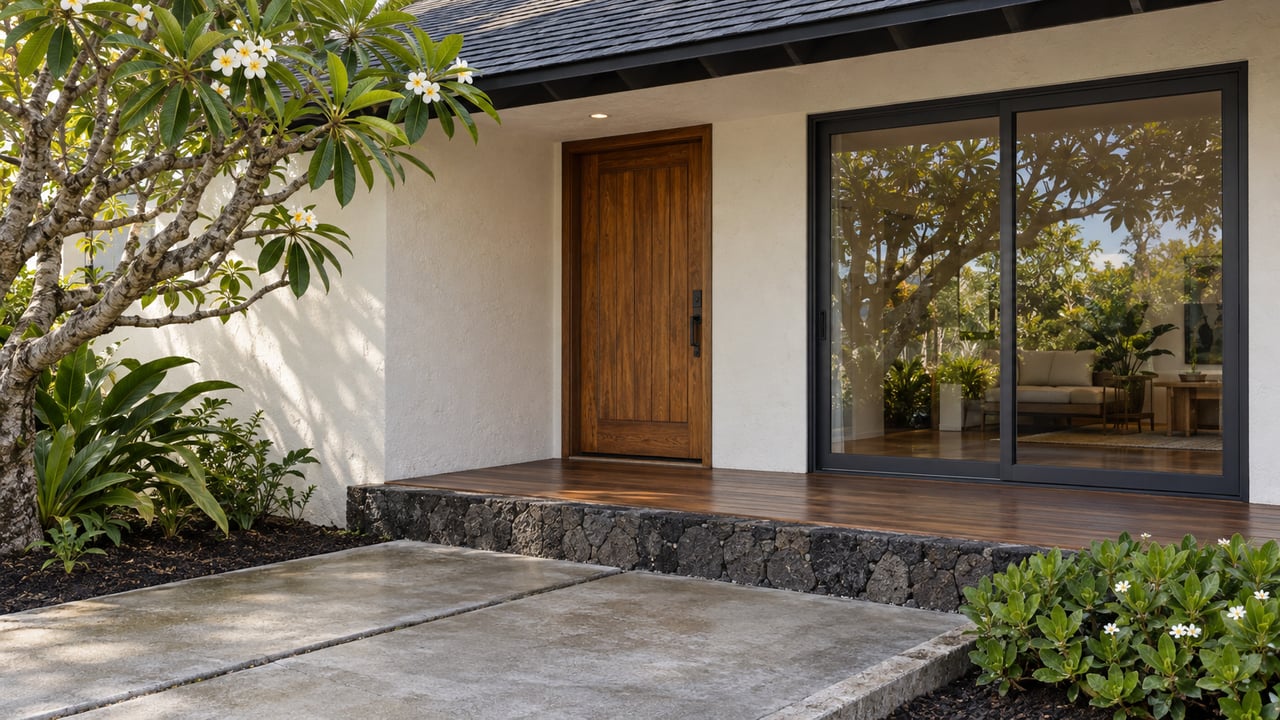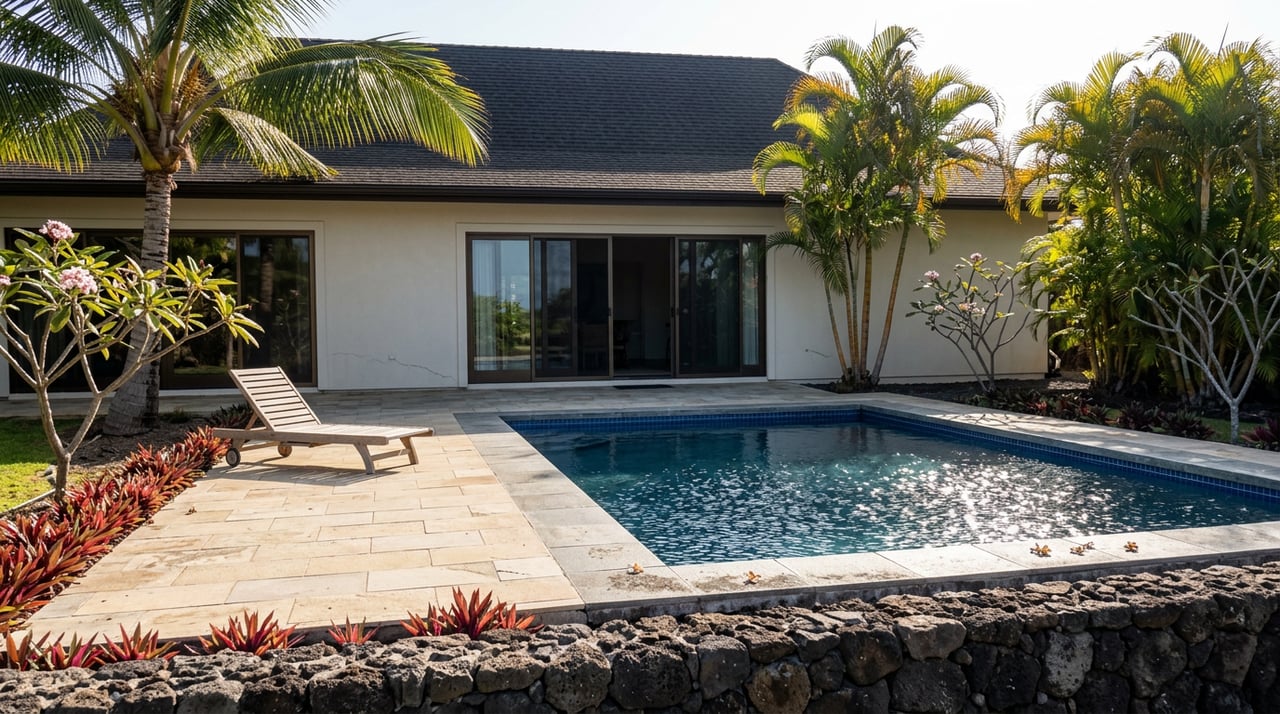
Thinking about a charming Paia cottage on a shared lot and keep hearing “CPR”? You are not alone. CPR can unlock great options near Paia town, but it also adds layers of documents, rules, and shared responsibilities that you need to understand. In this guide, you will learn how CPR ownership works, how it differs from a traditional subdivision, what to check in Paia, and the exact documents to review before you write an offer. Let’s dive in.
CPR basics in plain English
A Condominium Property Regime, or CPR, is a legal way to divide a property into separate “units” that you can buy and sell. You own your specific unit plus a share of the common areas, and the rules for everyone are set by recorded documents. Think of it as condo-style ownership that can apply to cottages and horizontal layouts, not just to apartment buildings.
How CPR ownership works
- You own a defined unit and a percentage of the common elements. The declaration and map describe the boundaries and your percentage.
- Common elements can include driveways, landscaping, walls, drainage, or shared utilities.
- Some areas might be limited common elements. These are parts of the common property reserved for the exclusive use of one unit, such as a dedicated parking stall or yard area.
- An association, guided by bylaws and rules, manages shared costs and standards. You pay assessments to fund maintenance.
CPR vs. subdivision: key differences
- Title: A CPR creates units plus an undivided interest in common elements. A subdivision creates separate fee-simple lots with their own parcel boundaries.
- Mapping: CPRs rely on a recorded condominium declaration and a condominium map. Subdivisions use county subdivision maps that create distinct parcels.
- Governance: CPRs always have an association with bylaws, voting rights, and assessments. Subdivisions may or may not have an HOA.
- Maintenance: CPR documents allocate responsibility for shared items like private roads, septic lines, and landscaping. In a subdivision, each lot owner typically handles their own parcel unless an HOA or easement says otherwise.
Why CPR matters in Paia
Paia and the North Shore include older compounds and shared-lot arrangements where CPR was used to separate cottages without a full subdivision. Documents can be inconsistent across older CPRs, so you want to verify that everything you rely on is recorded and clear.
Local infrastructure also varies. Some properties have County water while others use shared wells or tanks. Septic or cesspools are common outside sewered areas, and shared systems require clear maintenance rules. You should confirm access and private road maintenance, because shared-drive disputes are common when responsibilities are unclear.
Paia’s coastal setting adds another layer. Shoreline setbacks, public access rules, and tsunami evacuation zones can influence what you can build or rebuild and how you insure the property. If you plan to rent, know that short-term rental rules have evolved over time. Always check the association’s rules and county regulations before assuming rental income.
Financing and insurance considerations
Lenders often take a closer look at CPRs than at fee-simple lots. They may ask for proof that the association exists, runs a budget, and carries adequate insurance. They also look at reserves for future repairs and whether a high percentage of units are used as short-term rentals. Early conversations with a lender experienced in Maui condominiums can save time.
Insurance is equally important. The association’s master policy covers some parts of the property, and you as the owner cover the rest through a condo unit policy, often called an HO-6. Review what the master policy includes, how deductibles work, and whether subrogation could affect you after a claim. Then price your own unit policy accordingly.
For consumer-friendly background on condominium governance, start with the Hawaii DCCA’s condominium resources. You can find them on the Hawaii Department of Commerce and Consumer Affairs website by visiting the main DCCA page and navigating to condominium resources.
- Helpful starting points: the Hawaii DCCA condominium resources, the Hawaii State Legislature site for condominium statutes, and the Bureau of Conveyances for recorded documents.
What to review before you offer
Ask for these documents up front. Reading them early shows you how the property is defined, how the association operates, and what you are agreeing to.
- Recorded condominium declaration, including all amendments.
- Condominium map or plat with unit boundaries, common elements, and limited common elements.
- Bylaws, house rules, and any architectural or rental policies.
- Current association budget and most recent financial statements.
- Reserve study or notes on capital replacements and long-term plans.
- Association meeting minutes for the last 12 to 24 months.
- List of owners, percentage interests, and percent of units used as rentals or short-term rentals.
- Master insurance binder with coverages, limits, and deductibles.
- Preliminary title report showing the chain of title, liens, easements, and encumbrances.
- Maintenance contracts for shared items like roads, landscaping, wells, or septic service.
- Recent inspection or service records for shared systems.
- Utility meter details and bills showing who pays for what and how meters are assigned.
- Any pending litigation or known disputes.
- Proof that existing structures have County permits and certificates of occupancy.
- Notices about special assessments or planned projects.
On-site checks in Paia
When you tour the property, compare what you see to the recorded map and documents.
- Find the exact unit boundaries and any limited common elements assigned to your unit.
- Confirm access. Is the road private, and does a recorded easement cover it for all owners and emergency vehicles?
- Locate shared utilities. Identify meters and lines for water, power, and communications.
- Check septic or other onsite systems. Look for service tags or recent inspection notes.
- Look at drainage, slope stability, and any signs of erosion.
- Note parking allocation and guest spaces, along with enforcement practices.
- Be aware of shoreline proximity and tsunami evacuation maps.
During escrow: tighten due diligence
Once you are under contract, take a deeper dive.
- Order a title search and owner’s title insurance. Confirm proper recording of the declaration and condominium map.
- Give your lender complete association documents early for underwriting review.
- Schedule a professional home inspection that includes accessible shared elements.
- Confirm your personal HO-6 coverage and how it fits with the master policy.
- Verify water and sewer billing transfer procedures and any outstanding balances.
- Check whether the property sits in a hazard overlay with extra disclosures or limits.
- For shared or onsite septic, obtain appropriate inspections and confirm county rules for any required upgrades.
- If you plan improvements, confirm association approvals and county permitting paths.
Pitfalls and red flags
Keep your eyes open for issues that may affect value, financing, or livability.
- Missing or unclear recorded declaration, map, or amendments.
- An association with no functioning board, no recent financials, or no reserves.
- High short-term rental use that conflicts with bylaws or spooks lenders and insurers.
- Shared septic or aging onsite systems with unclear maintenance responsibilities.
- Master-metered utilities where separate meters are not feasible.
- Unrecorded access or informal cost-sharing arrangements that are not enforceable.
- Pending or threatened litigation involving owners or the association.
- Large special assessments without a clear plan.
Official resources to use
When you want to verify facts, start with these agencies and tools:
- Maui County Planning Department for CPR, subdivision, zoning, and permitting. Visit the Maui County Planning Department and search for subdivision and condominium guidance.
- Maui County Department of Water Supply for meter availability and service rules. Go to the Maui County Department of Water Supply and review service and meter information.
- Maui County Real Property Tax and GIS for parcel boundaries, TMKs, and tax records. Start at the Maui County Real Property Tax and GIS portals and map viewers.
- State of Hawaii DLNR for shoreline rules, public access, and coastal management. See the DLNR shoreline rules to understand coastal overlays.
- State of Hawaii Legislature for the statutes governing condominium regimes. Use the Hawaii State Legislature site to find relevant laws.
- Hawaii DCCA for consumer-friendly condo governance resources. Visit the Hawaii DCCA condominium resources for guidance on owner rights and association operations.
- Bureau of Conveyances for recorded declarations, maps, and easements. Search documents through the Hawaii Bureau of Conveyances.
Who should be on your team
A smooth CPR purchase takes the right pros. Work with a CPR-savvy real estate agent, a Hawaii real estate attorney who understands condominium law, a lender experienced with condominium underwriting, a title company, and an inspector familiar with shared systems. Their input during document review can save you from costly surprises later.
Ready to walk a Paia CPR opportunity with confidence? Reach out for a short, focused CPR buyer consultation. We will review key documents, flag likely lender or insurance concerns, and map your next steps. Connect with Kate and Wendy Peterson for thoughtful, place-based guidance.
FAQs
What is a CPR property in Hawaii real estate?
- A CPR divides a property into individually owned units plus shared common elements governed by an association, rather than creating separate fee-simple lots through a subdivision.
How is CPR ownership different from fee-simple lots in Paia?
- In a CPR you own a unit and a share of common areas, with rules in a declaration and bylaws; fee-simple lots are separate parcels with individual boundaries and no shared common elements unless an HOA or easement says otherwise.
Are short-term rentals allowed in Paia CPR communities?
- It depends on the condominium declaration and Maui County regulations; review association rental rules and check current county short-term rental permitting on the Maui County site.
How do lenders view CPR units on Maui’s North Shore?
- Lenders often review the association’s budget, insurance, reserves, and rental mix; start lender conversations early and provide complete CPR documents for underwriting.
What insurance do I need for a CPR unit?
- The association carries a master policy, while you carry an HO-6 policy for interiors, personal property, and liability; confirm coverages, limits, and deductibles in the master policy before binding your policy.
Where can I find recorded CPR documents and maps?
- Check the Hawaii Bureau of Conveyances for recorded declarations, maps, and easements, and order a title search during escrow.
Who maintains shared roads, driveways, and septic systems?
- Maintenance duties and cost sharing are set in the declaration, bylaws, and any recorded easements; review the maintenance schedule and recent meeting minutes for clarity.
Can I expand a cottage or add structures within my CPR unit in Paia?
- You must follow association rules and Maui County permitting, and coastal properties may also be affected by DLNR shoreline rules; always confirm approvals before planning improvements.