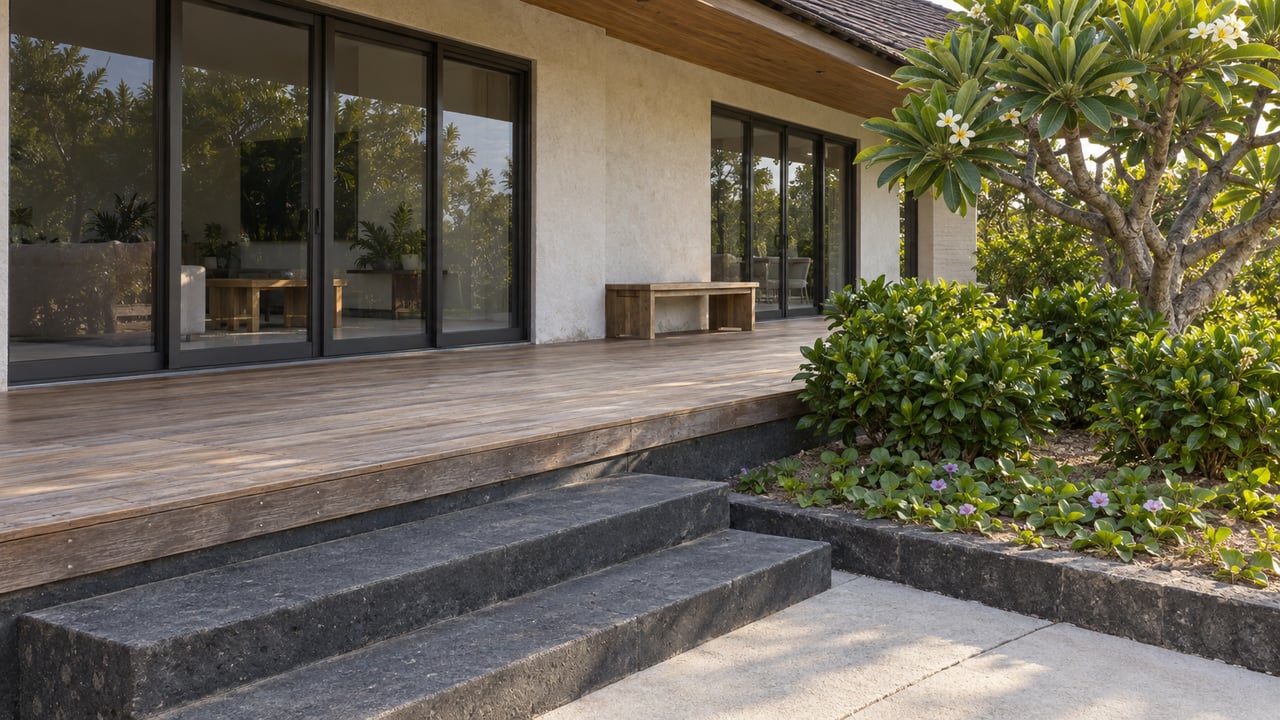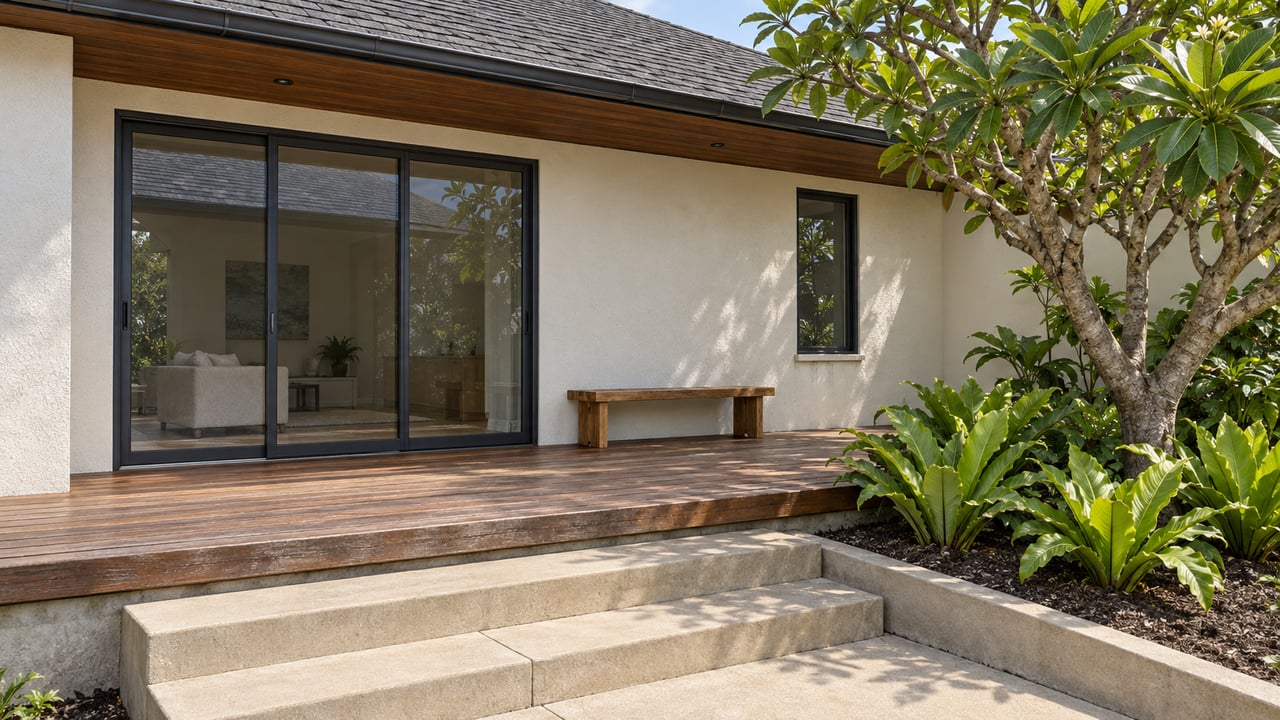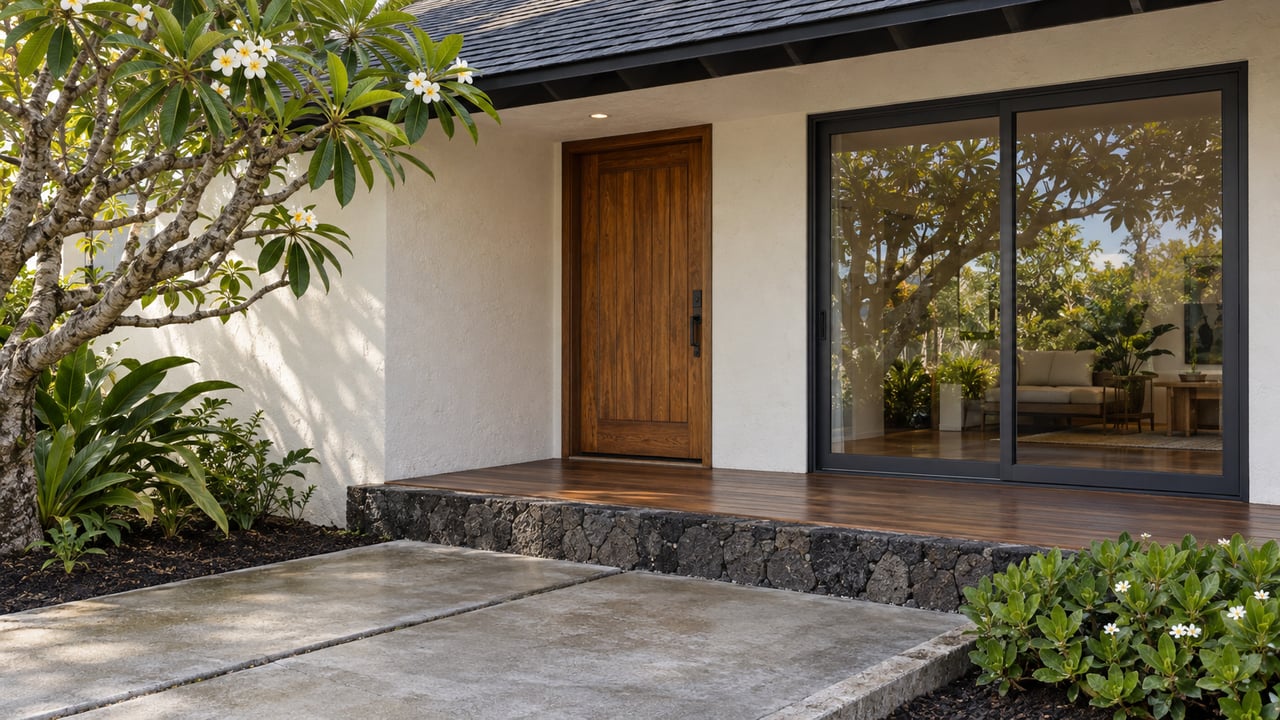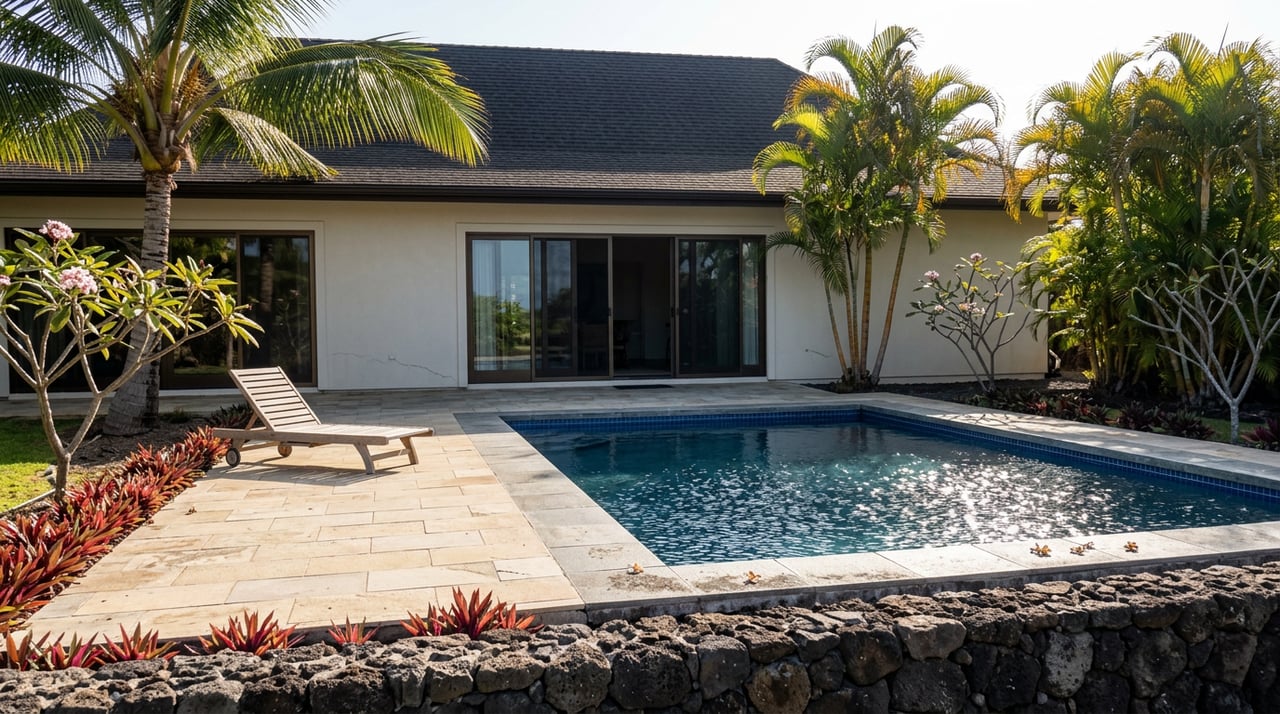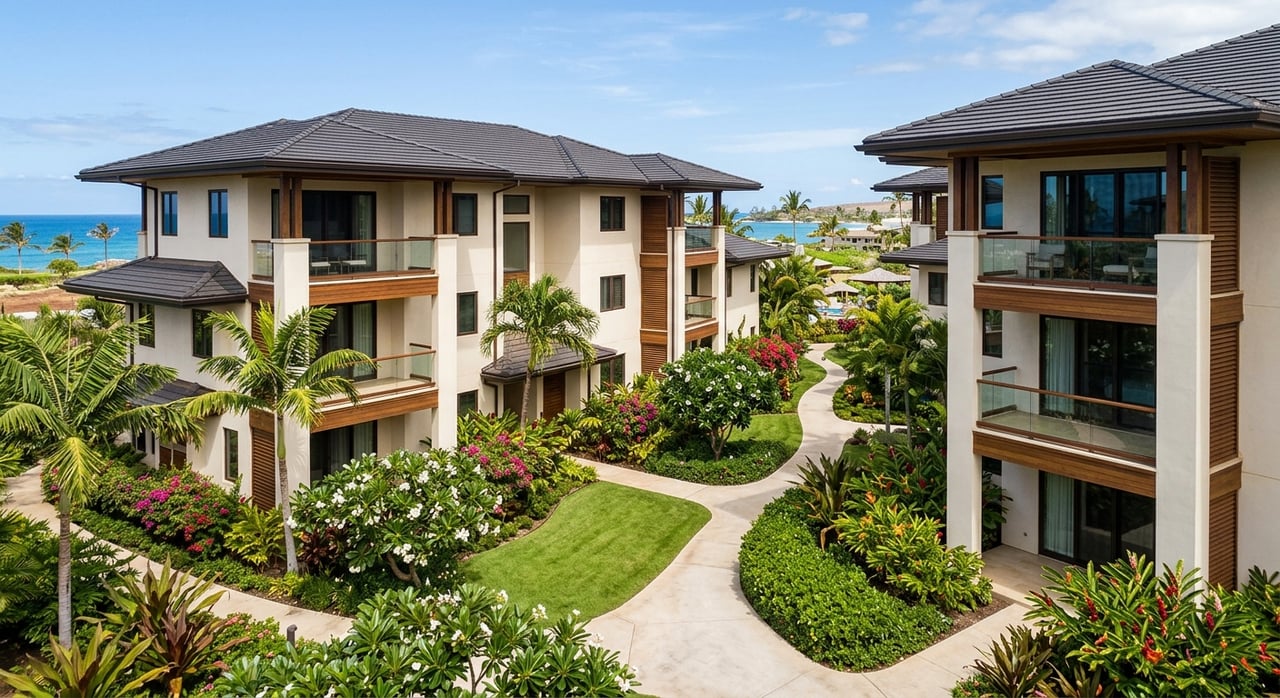
If you love Maui’s North Shore but do not need a large house or acreage, a condo or townhome around Pāʻia may be worth a closer look. This part of Maui offers a very specific lifestyle, and the housing options here reflect that. When you understand how North Shore condos work, what to review, and where the tradeoffs show up, you can shop with more clarity and confidence. Let’s dive in.
Why North Shore condo living feels different
Around Pāʻia and Maui’s North Shore, condo and townhome options tend to be small-scale. Maui County planning materials describe the Pāʻia-Haʻikū region as low density, with growth focused in existing communities and with an emphasis on preserving rural character and scenic resources.
That local planning context helps explain why you are more likely to find low-rise condo communities and townhome-style properties than large tower developments. In and around Pāʻia, Kuʻau, and Spreckelsville, the condo market is typically boutique in size and closely tied to beach access, town convenience, and day-to-day simplicity.
What you can expect near Pāʻia
Condo and townhome inventory on the North Shore is usually limited and distinct. Options in the broader area may include small low-rise buildings and townhome-style communities near Pāʻia town, Kuʻau, beach areas, and Spreckelsville.
Examples noted in the market include Sugar Cove in Spreckelsville, a townhome-style beachfront condominium community, and Kuau Plaza, a smaller condo option near well-known North Shore destinations. The overall pattern is not mass development. It is a more compact and niche housing category.
The lifestyle tradeoff to understand
For many buyers, the biggest appeal is easier day-to-day ownership. A condo or townhome can offer less exterior maintenance than a single-family home, which may be especially attractive if you want a lock-and-leave property, a second home, or a simpler home base near the beach and town.
The tradeoff is just as important. You will usually have less yard space, less storage, and less freedom to make exterior changes. If you want acreage, broad separation from neighbors, or unrestricted control over the property, North Shore condo living may not be the best fit.
Condo ownership in Hawaii basics
In Hawaii, condo ownership means you own your individual unit and also share ownership of the common elements. Under state law, common elements generally include areas outside the units and often cover things like walkways, grounds, roofs, corridors, pools, and main pipe or electrical systems.
That matters because your monthly maintenance fee helps support those shared areas and systems. Those fees are due whether or not you personally use every amenity, and Hawaii’s DCCA notes that maintenance fees generally increase over time.
What monthly fees usually mean
A lower purchase price does not always mean a lower overall cost of ownership. With a condo or townhome, your budget needs to account for monthly common expenses, potential fee increases, and the possibility of special assessments.
On the North Shore, this can be especially important in older or shoreline-adjacent properties. Salt air, aging systems, and ongoing building needs can affect future maintenance costs, so it is smart to look beyond the list price and study the full ownership picture.
Why reserves matter on Maui
One of the most important parts of condo due diligence is the reserve study. Reserves are the funds an association sets aside for major repair and replacement items, and Hawaii guidance makes clear that reserve planning is not a one-time checkbox.
If a reserve study was not prepared by an independent reserve study preparer, Hawaii requires it to be reviewed by an independent preparer at least every three years. For a Pāʻia or North Shore condo, you will want to understand whether reserves are current, whether maintenance has been deferred, and whether the project has a history of special assessments.
Special assessments are not rare
Special assessments are legal in Hawaii and can happen when reserves are underfunded or when unexpected expenses arise. State guidance notes that aging buildings and corroded pipes are common reasons.
For shoreline-adjacent communities, there can be additional long-term pressures. Hawaii disclosure materials warn that oceanfront salt air can accelerate corrosion, and state coastal resources also note that nearshore environments face coastal erosion risk. In places like Sugar Cove, owner-funded beach restoration work has also been part of the long-term story.
Read the documents before you commit
Before buying a condo or townhome around Pāʻia, make time to review the association documents carefully. Hawaii’s condo buyer checklist recommends obtaining key materials so you can understand both the finances and the rules that come with ownership.
Important documents to review include:
- Declaration
- Bylaws
- House rules or policies
- Current annual budget
- Reserve study
- Audit
- Insurance information
- Board or association meeting minutes
You should also ask whether the association has a manager or attorney, and whether there have been special assessments, lawsuits, capital improvements, delinquencies, recalls, or insurance claims.
House rules can shape daily life
In a small North Shore project, the details in the house rules can affect your daily experience more than you might expect. Rules may address topics such as parking, pets, rentals, and exterior changes.
That is not just a formality. Hawaii law allows associations to impose fines and late fees for violations of the declaration, bylaws, and house rules. Also, small projects may be self-managed, since state law does not require a third-party managing agent unless the governing documents require one.
Flood zones and tsunami areas deserve attention
Location is part of the appeal on the North Shore, but shoreline proximity also comes with added due diligence. Maui County planning materials note that portions of historic Pāʻia and Kuʻau are within the tsunami inundation zone.
If you are looking at a shoreline-adjacent condo or townhome, Maui County advises buyers to check flood zones, flood-development permit requirements, and insurance implications before buying. In special flood hazard areas, development may require a flood development permit, homeowners insurance usually does not cover flood damage from natural occurrences, and federally backed mortgages generally require flood insurance.
Rental use is never automatic
Many buyers ask whether a North Shore condo can be used as a short-term rental. On Maui, that answer is highly property-specific and rule-specific.
Maui County uses separate permit pathways for bed-and-breakfast homes, short-term rental homes, and transient vacation rentals. The County’s approved short-term-rental-home list also shows that the Pāʻia-Haʻikū Community Plan region is capped at 48 permits. That means you should never assume short-term rental use is allowed just because a property is on Maui. You need to confirm both county approvals and the project’s own governing documents.
Who condo and townhome living suits best
Around Pāʻia and the North Shore, condo and townhome living often works best for buyers who want a lower-maintenance base near beaches, surf, and town conveniences. It can also appeal to second-home buyers who want a simpler ownership model than a detached home.
At the same time, this lifestyle asks you to be comfortable with shared governance, monthly fees, and occasional larger costs. If your priority is maximum privacy, a large lot, or broad flexibility in how you use and modify the property, another property type may make more sense.
Questions to ask before you buy
As you compare North Shore options, a few practical questions can help you cut through the marketing and focus on fit.
Ask questions like these:
- What do the declaration, bylaws, and house rules allow or prohibit for pets, parking, rentals, and exterior changes?
- What does the monthly fee cover, and how often has it increased?
- Are the reserves current, and has the project had any recent special assessments?
- Is the property in a flood zone or tsunami evacuation area, and what insurance is required?
- If rental income matters to you, does the county allow the use and does the association allow it too?
A thoughtful review now can save you from expensive surprises later. In a boutique market like Pāʻia and Maui’s North Shore, the right condo is often less about checking every box and more about finding the property that matches how you actually want to live.
If you are considering condo or townhome living around Pāʻia, working with a team that understands Maui’s micro-markets and the practical details behind ownership can make the process much smoother. Kate and Wendy Peterson can help you evaluate North Shore options with clear guidance, local perspective, and concierge-level service.
FAQs
What makes condos around Pāʻia different from other Maui condo markets?
- Around Pāʻia and the North Shore, condo inventory is typically small-scale and low-rise because the region is planned for low-density growth that preserves rural character and scenic resources.
What do you own when you buy a condo in Hawaii?
- In Hawaii, you generally own your unit plus a share of the common elements, which often include items such as grounds, walkways, roofs, corridors, pools, and major building systems.
What should you review before buying a North Shore condo?
- You should review the declaration, bylaws, house rules, budget, reserve study, audit, insurance information, and association minutes, and ask about assessments, claims, lawsuits, and management.
Why are reserve studies important for Pāʻia condos?
- Reserve studies help you understand whether the association is planning and saving for major repairs, which is especially important in older or shoreline-adjacent buildings where maintenance costs can be significant.
Are flood and tsunami risks important for condos near Pāʻia and Kuʻau?
- Yes. Maui County notes that portions of historic Pāʻia and Kuʻau are within the tsunami inundation zone, so buyers should verify flood zones, permit requirements, and insurance implications.
Can you use a Pāʻia condo as a short-term rental?
- Not automatically. You need to confirm both Maui County approval requirements and the condo project’s own governing documents before assuming short-term rental use is allowed.